Shining Eyes, Global Connection
On Tour with the Boston Philharmonic Youth Orchestra in Asia
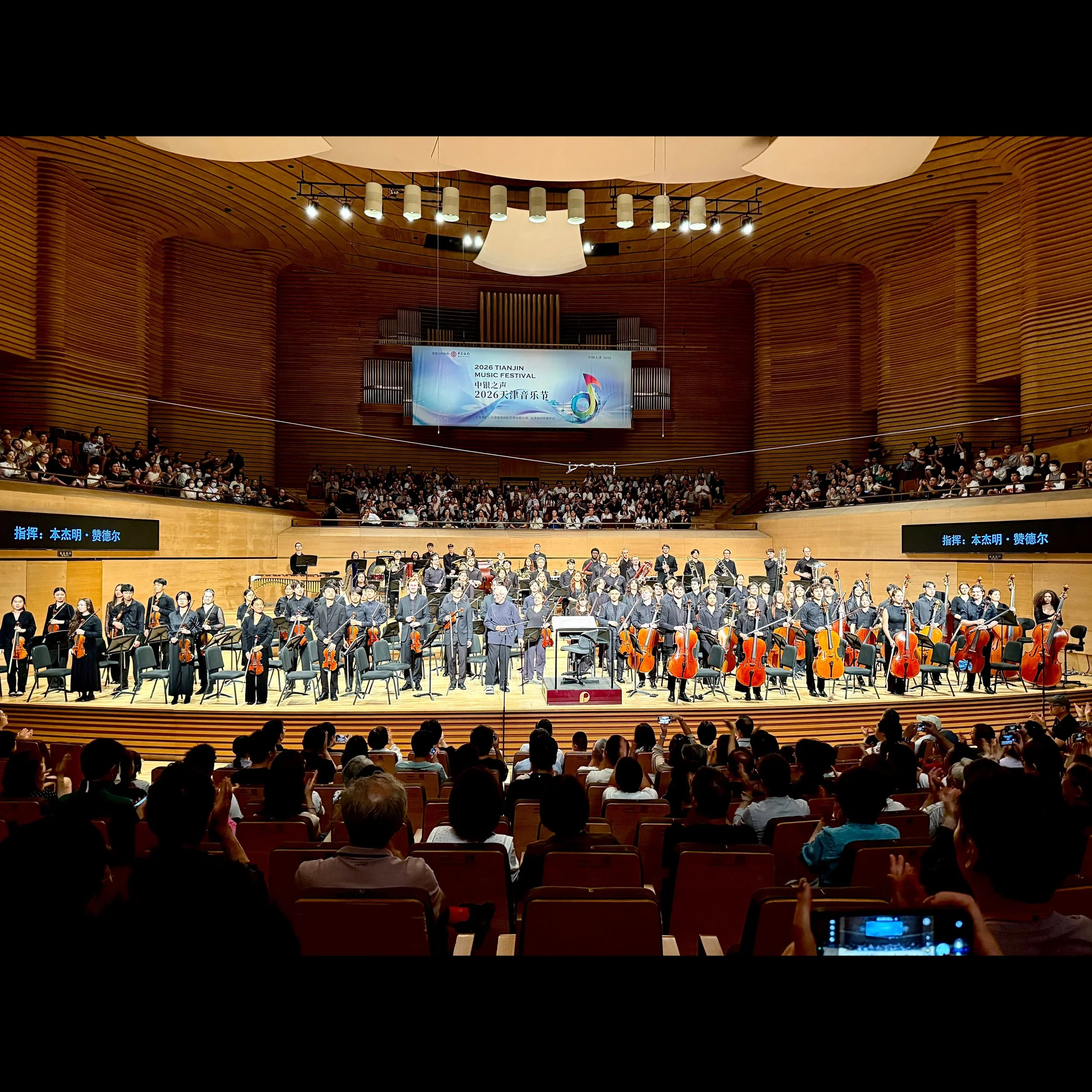
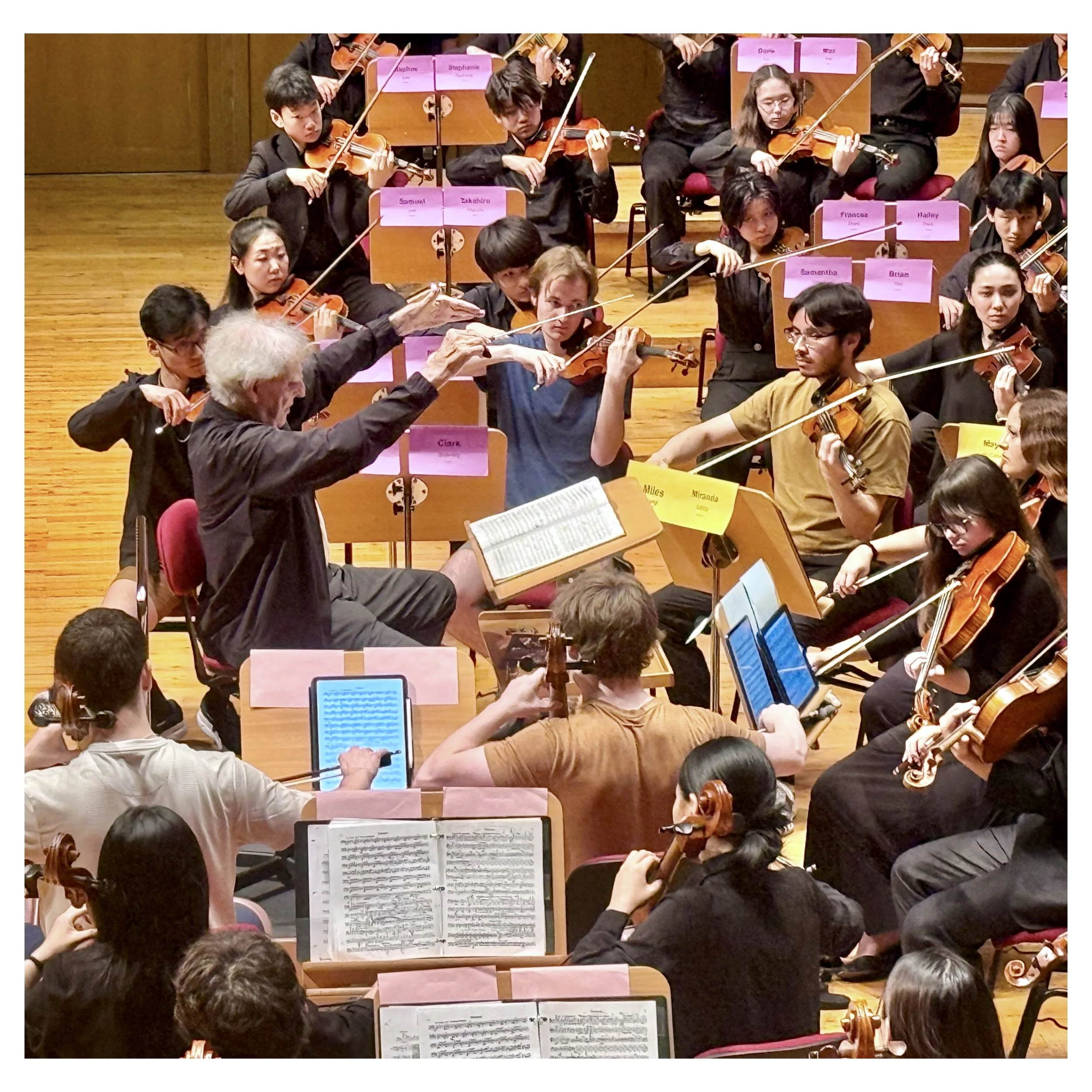
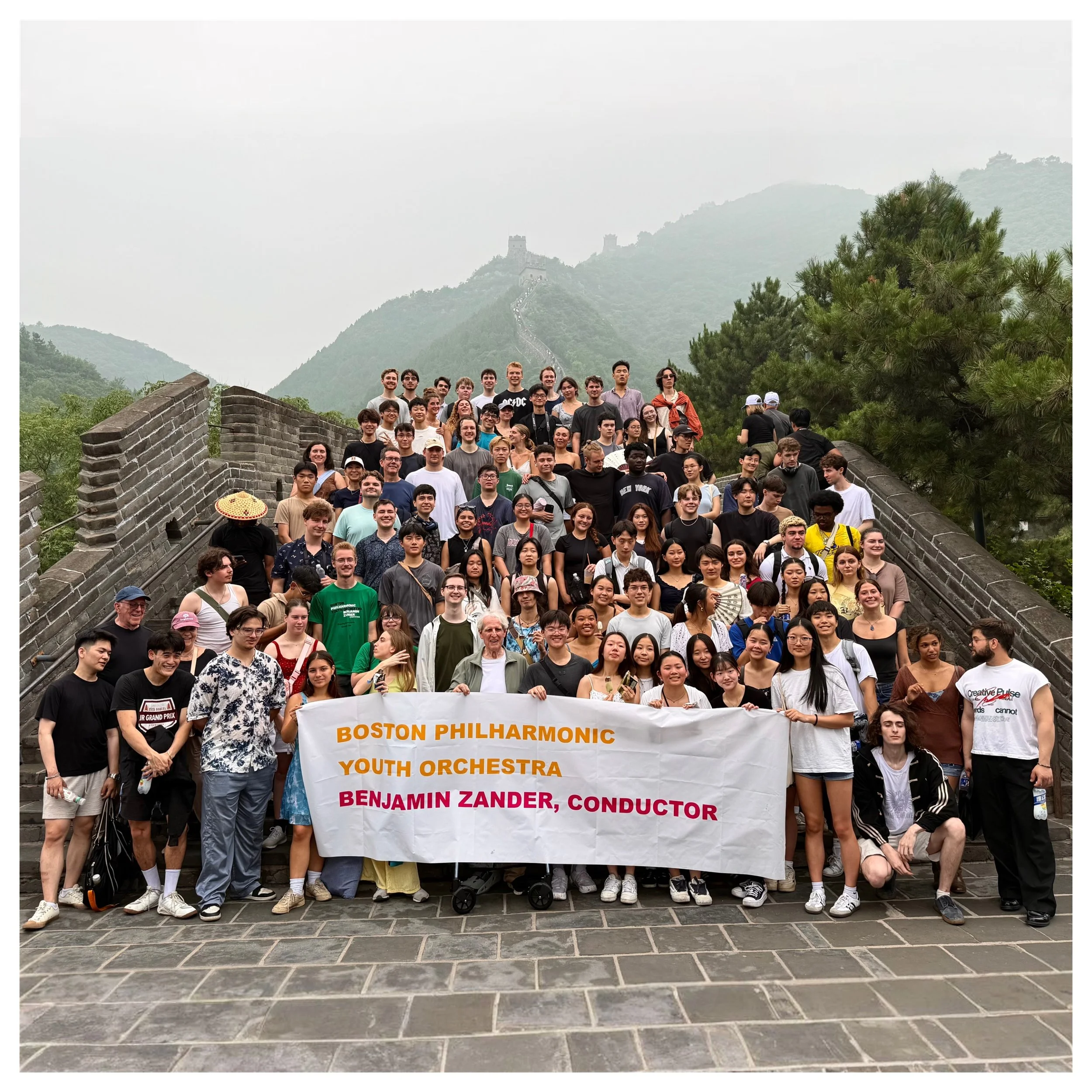
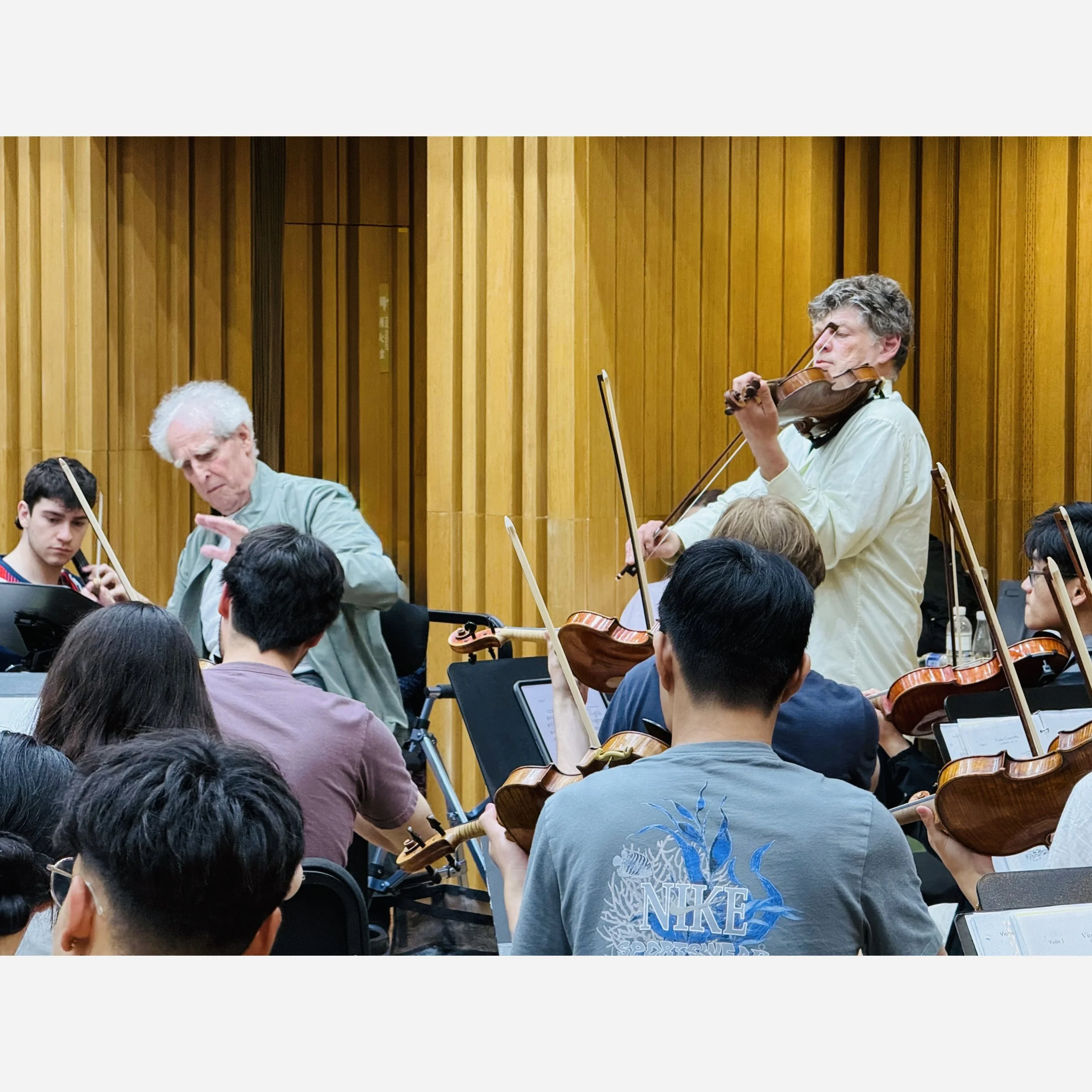
Editor’s Note: In June 2026, the Boston Philharmonic Youth Orchestra embarked on a historic tour of China and Japan. Pianist, writer, and filmmaker Zsolt Bognár accompanied the ensemble to capture the journey. Below is his detailed trip report, featuring original photography by the author. To experience the sights and sounds of the tour—including rehearsals, concerts, and backstage energy—watch his travelogue film in addition to reading this full report. It is embedded below, and also at the end of this document.
The “Tour of Possibility” Begins
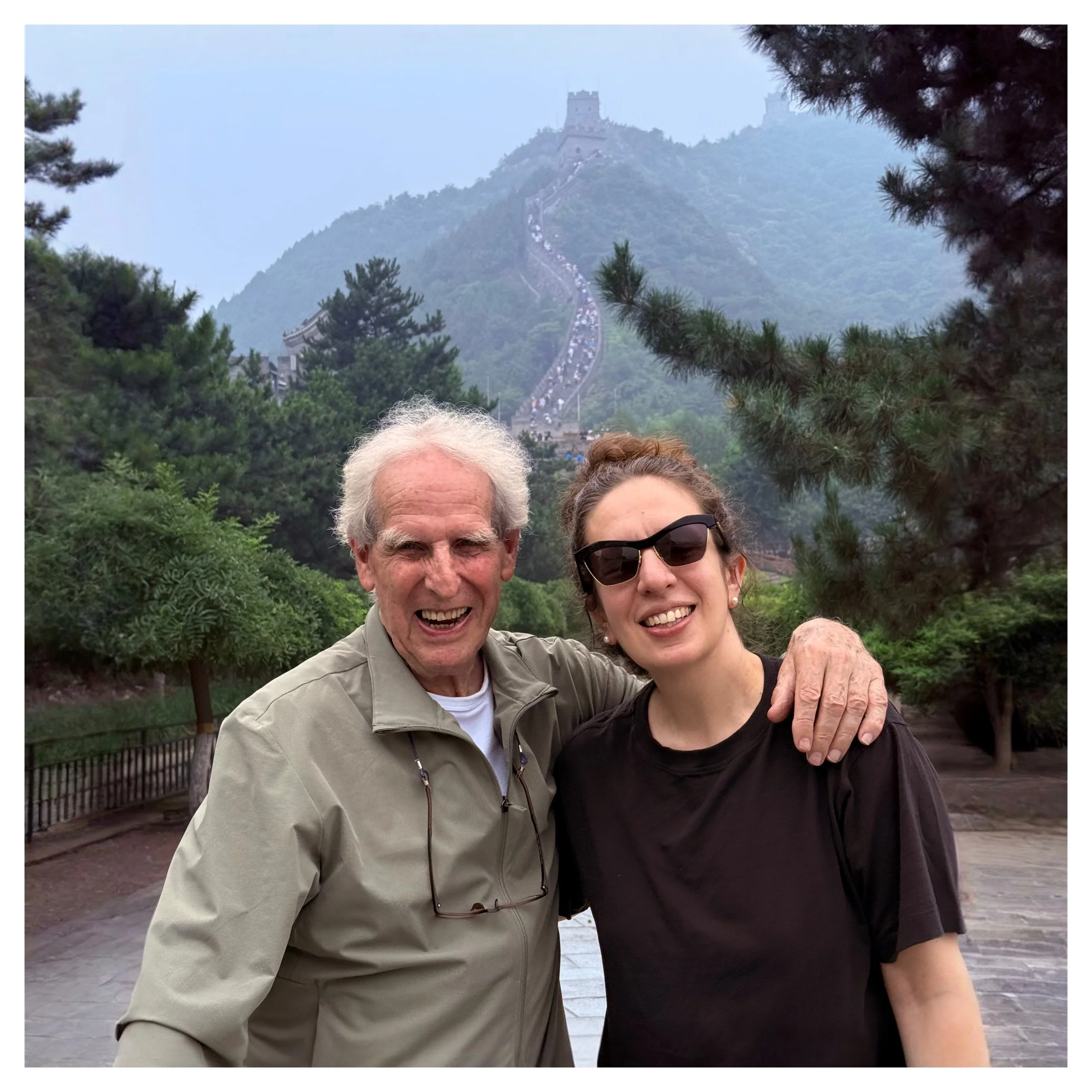
“A professional orchestra will go on tour and play concerts, and tourists will come and see the world. But what we do, is we build future leaders.” -Benjamin Zander, spoken at the Great Wall of China
At the outset of its two-week journey through China and Japan, there were signs of what type of experiences awaited the Boston Philharmonic Youth Orchestra during its valedictory tour of Asia. If the first ovations in Shanghai were any indication, the communicative power of the ensemble is stronger than ever, to excite and move a global audience. If the rare standing ovations in Japan at the end of the tour were further confirmation, the mission of the young musicians, as led by Benjamin Zander, necessarily compels through human connection: entire sections of the audience remained in tears after each concert.
The Boston Philharmonic Youth Orchestra gave its musicians an adventure of a lifetime in a tour that took place across June 12-22, and traversed the cities of Shanghai, Hangzhou, Beijing, Tianjin, Kyoto, and Tokyo. As student testimonies revealed, the journey gifted these young performers a new lens through which to see the world, sparked unexpected moments of leadership, and reshaped their personal goals and artistic growth.
Any journey with Benjamin Zander promises transformative experiences for musicians and audiences. During my own student days in Boston, I witnessed his uncanny ability to inspire and empower on a weekly basis. Now, more than a quarter-of-a-century later, I wanted to see if, at 87 years young, Mr. Zander still possesses the force-of-nature energy required to lead, educate, and connect with a global community. Furthermore, because my time in Boston pre-dated the founding of the BPYO, I was eager to witness the social media hype firsthand: its reputation as one of the world's finest youth orchestras.
The Mission
“In what other setting do you get a professional-level opportunity to play in an orchestra like this, and to travel the world?”-Priscilla Lee, Violin
Why should a youth orchestra tour at all when the undertaking requires such a massive web of logistics, planning, and financial investment? Three distinct philosophies provide the answer. First, regarding human growth, the late chef and broadcaster Anthony Bourdain insisted that travel is not a reward for hard work, but a lesson in how to live. He implored young people to travel frequently and early in life, even on a shoestring budget, to experience the empathy born from walking in the shoes of others.
In the musical sphere, Franz Liszt set a profound example. By the time he retired from the touring stage at age 35, he had given well over one thousand concerts in eight years, traveling as far as St. Petersburg and Constantinople long before the advent of widespread railroads. Much like Bourdain, Liszt viewed these journeys not as a diversion, but as a spiritual, intellectual, and artistic necessity. For Liszt, experiencing new cultures was fundamental to human development.
Finally, Leonard Bernstein exemplifies travel as cultural diplomacy. As one of the first truly global musicians, Bernstein appeared in Soviet Russia at the height of the Cold War, in Israel during deep turmoil, and in Berlin at the fall of the Wall, delivering vital musical messages of peace and friendship. This serves as the precise mission for the BPYO tour of China and Japan. Fittingly, each of the six tour concerts opened with Bernstein’s Overture to “Candide” as an exuberant declaration of cultural goodwill, paired with heartfelt introductory words of friendship from Maestro Zander.
Arrival in China: Shanghai
June 13 and 14
“There’s nobody else than Ben Zander to tell young musicians ‘now we’re going to play, and this is what it is’—this is the part that lots of great musicians and great teachers skip. The young musicians cannot get a better guidance in that regard.” -Guy Braunstein, featured guest soloist and former Berlin Philharmonic Concertmaster
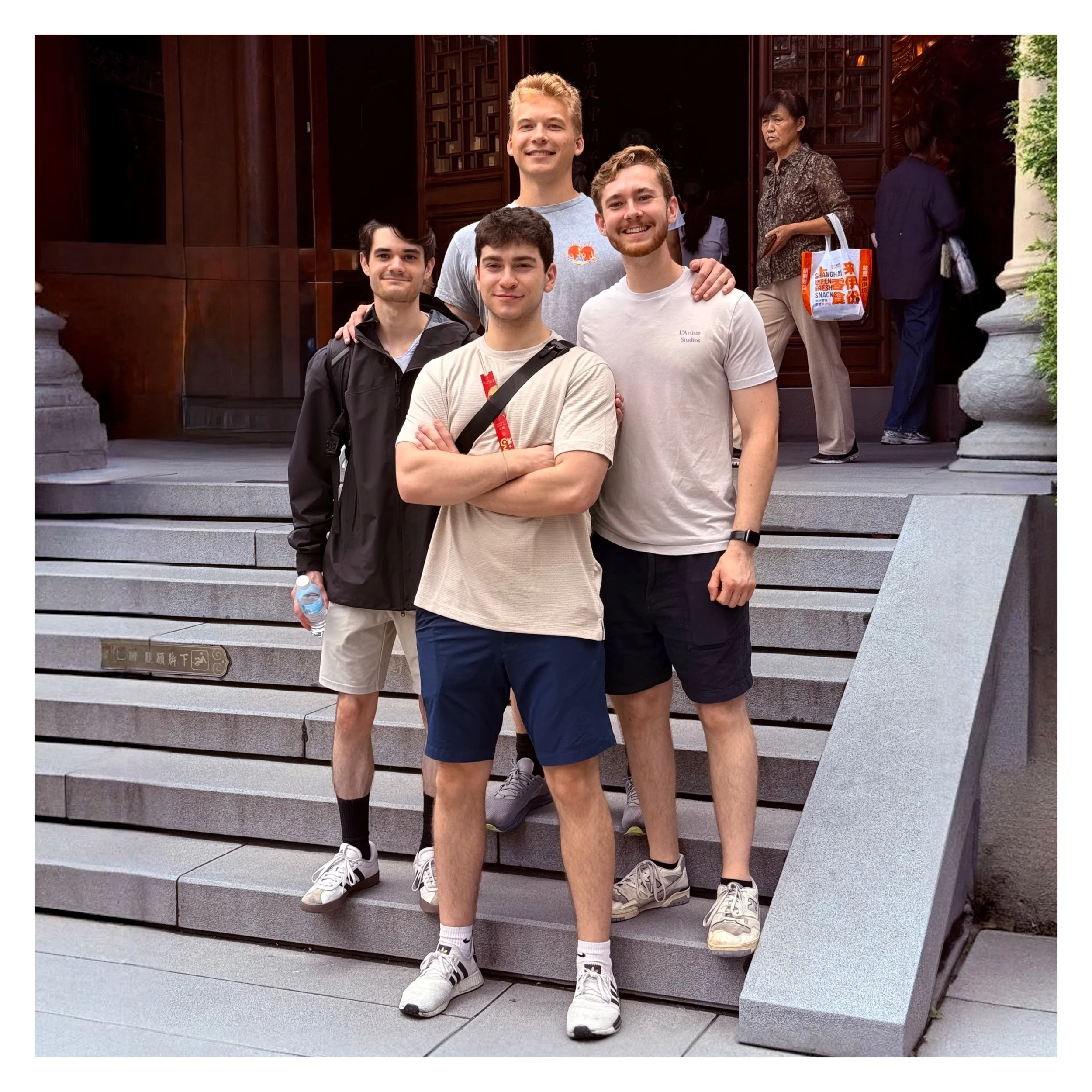
In conversation with several of the young musicians of the BPYO each morning in the hotel breakfast room, I learned that most were visiting China and Japan for the very first time. Ranging in age from 12 to 22 and in musical experience, some had in fact never left the country before; their excitement and curiosity from the outset were palpable. The Boston Philharmonic Youth Orchestra and its donors provided not just an all-expenses paid journey, covering flights, hotels, trains, buses, illuminating sightseeing excursions, and meals, but also a remarkable and calibrated support staff, chaperones, and doctors, as well as logistical support from Classical Movements.
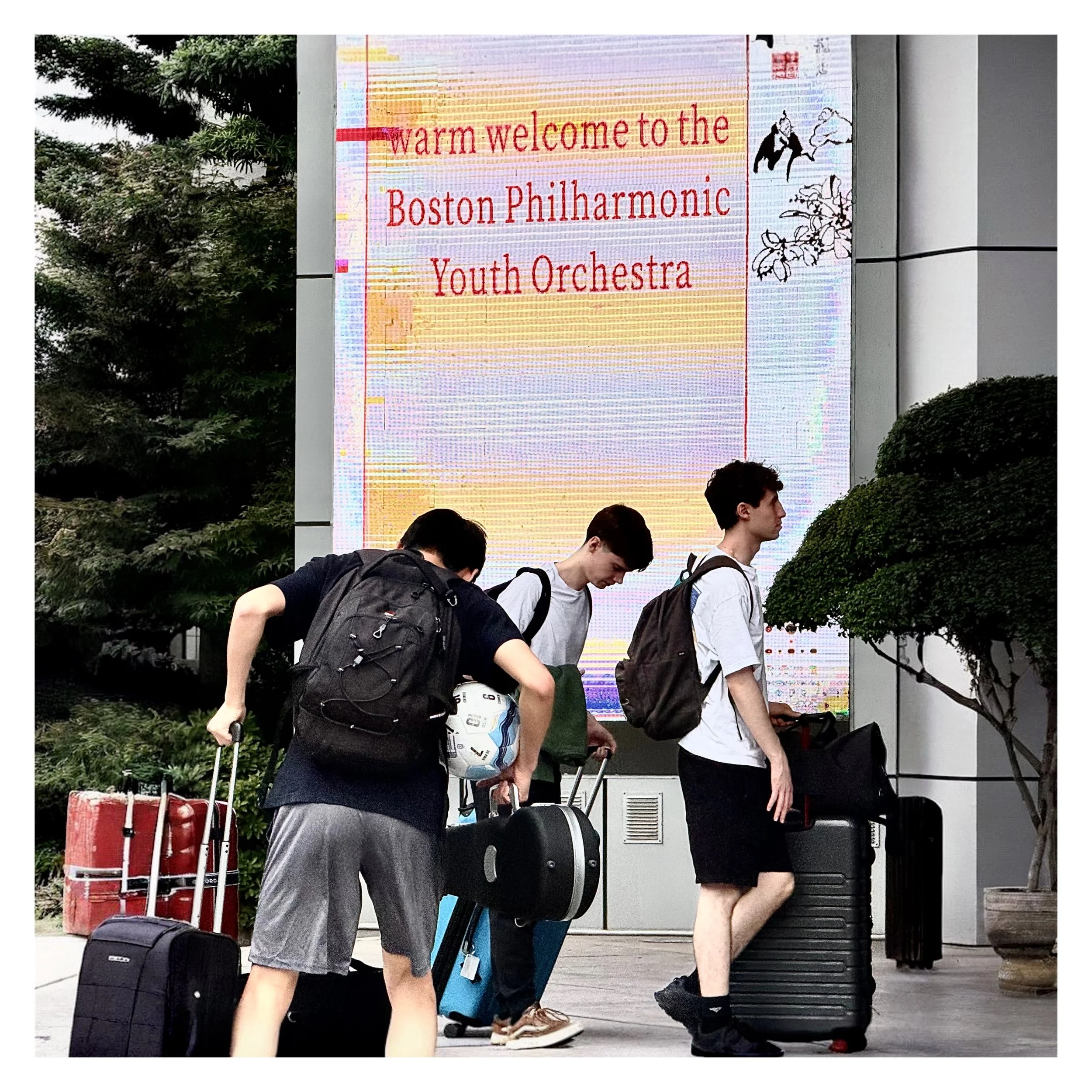
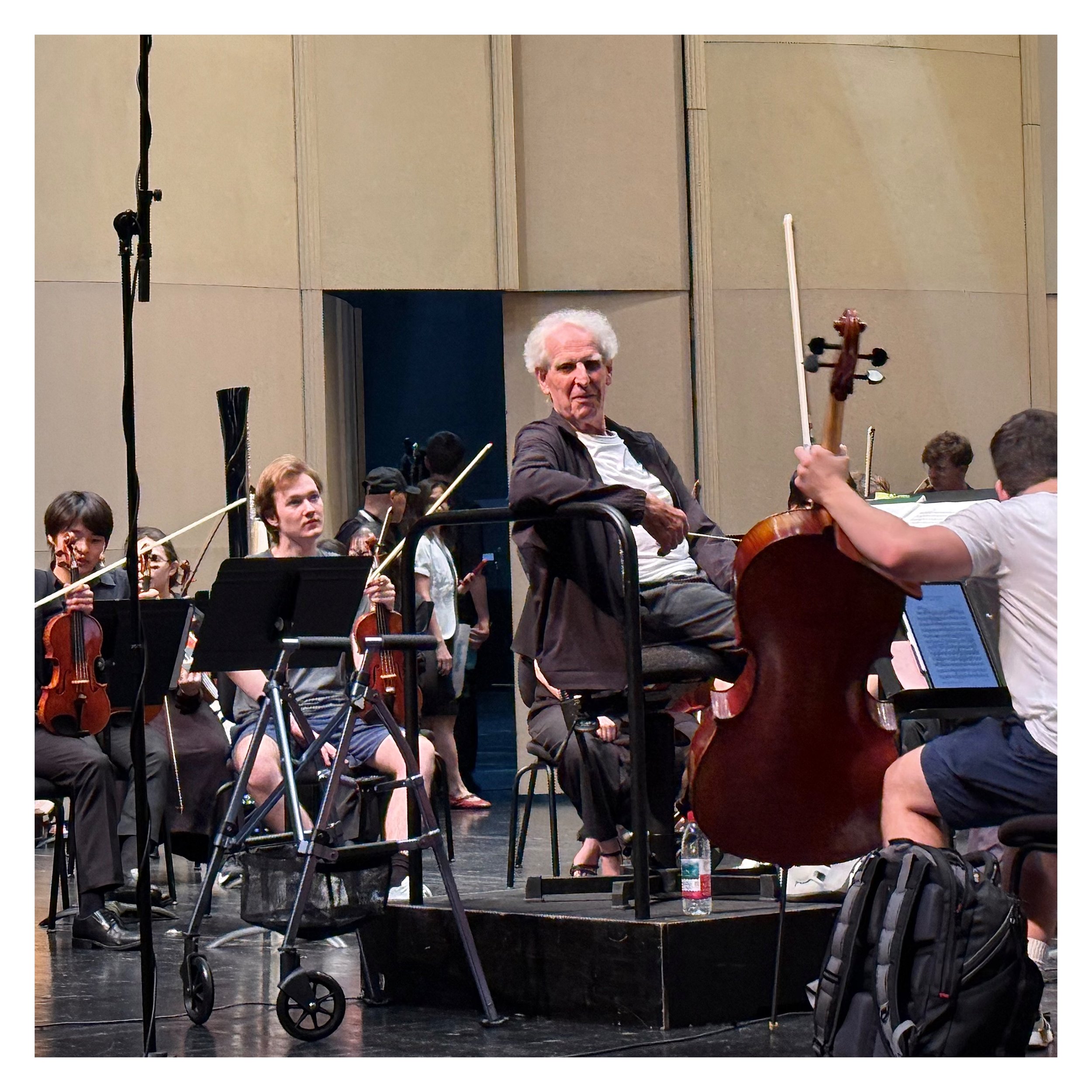
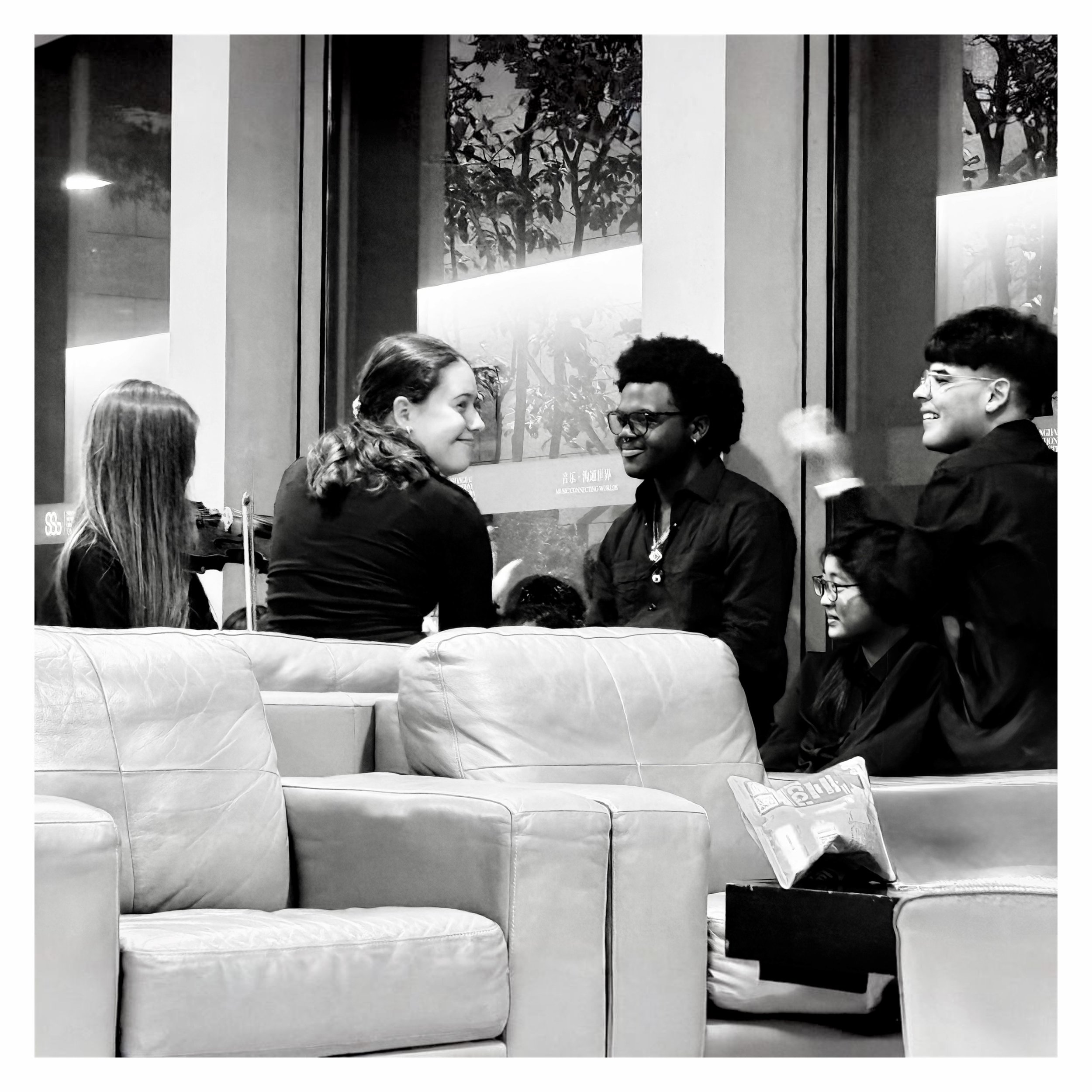
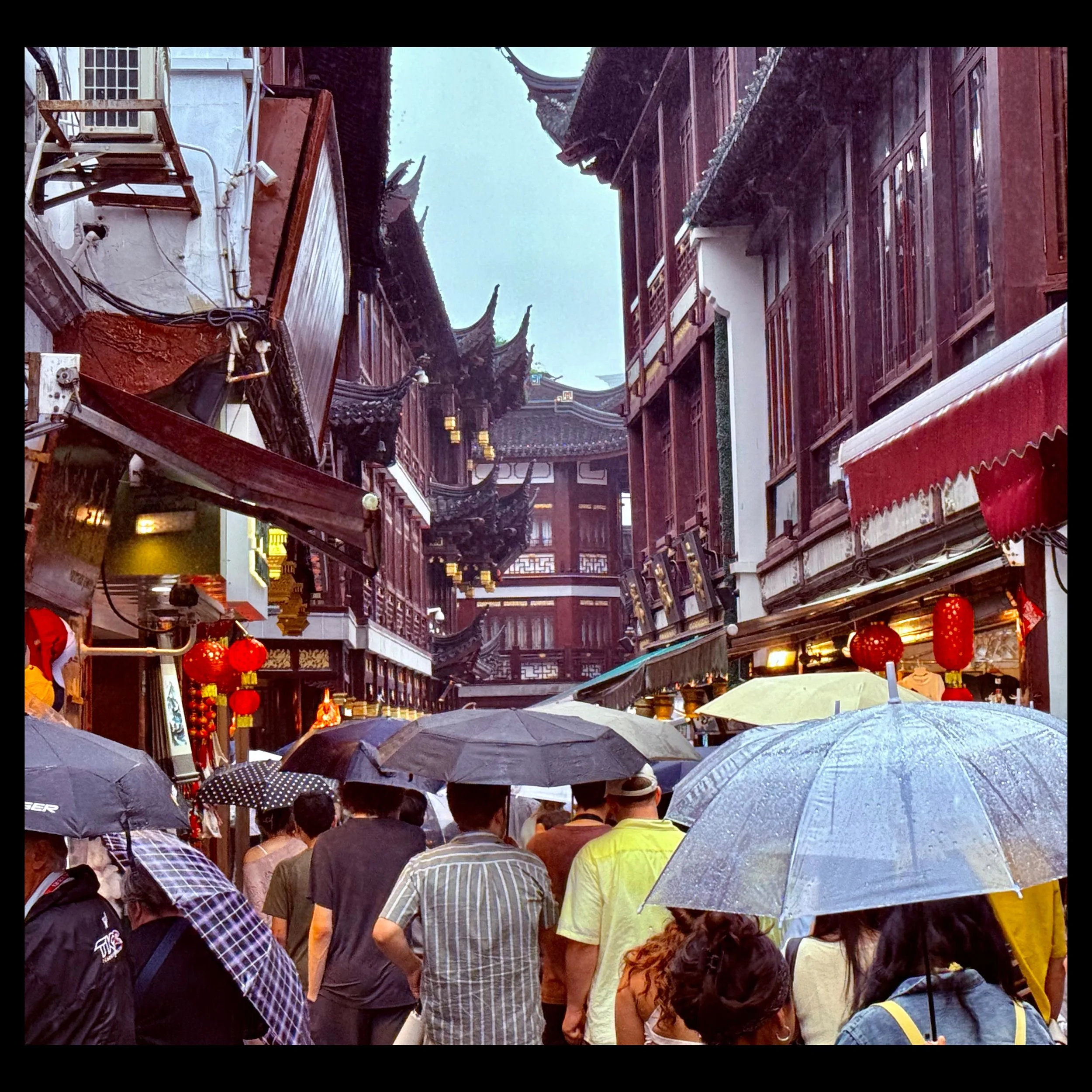
During the initial morning briefing, Mr. Zander set a definitive tone for what was to come. He delivered a characteristically humanistic message, urging the young players to navigate the tour with an open heart and a spirit of love. It was a poignant echo of the lessons I had heard him impart in Boston decades earlier—a philosophy anchored in mutual respect, professionalism, and punctuality. “Being available is the most important quality in life,” he later declared. This uncompromising work ethic was balanced by his instinct to constantly praise and acknowledge those around him, a signature trait of his empowering leadership style.
Driven by anticipation, many of the young musicians found that the grueling flight to China passed effortlessly. Yet, the physical toll of transit remained a factor. Over dinner at the Shanghai City Hotel, Mr. Zander pondered the upcoming schedule: “I do wonder about the jet lag for the long rehearsal tomorrow; I will do an extra song and dance to help their energy stay up during the Mahler Symphony, especially in the development section of the first movement.” What followed at the first rehearsal perfectly captured that promise.
* * *
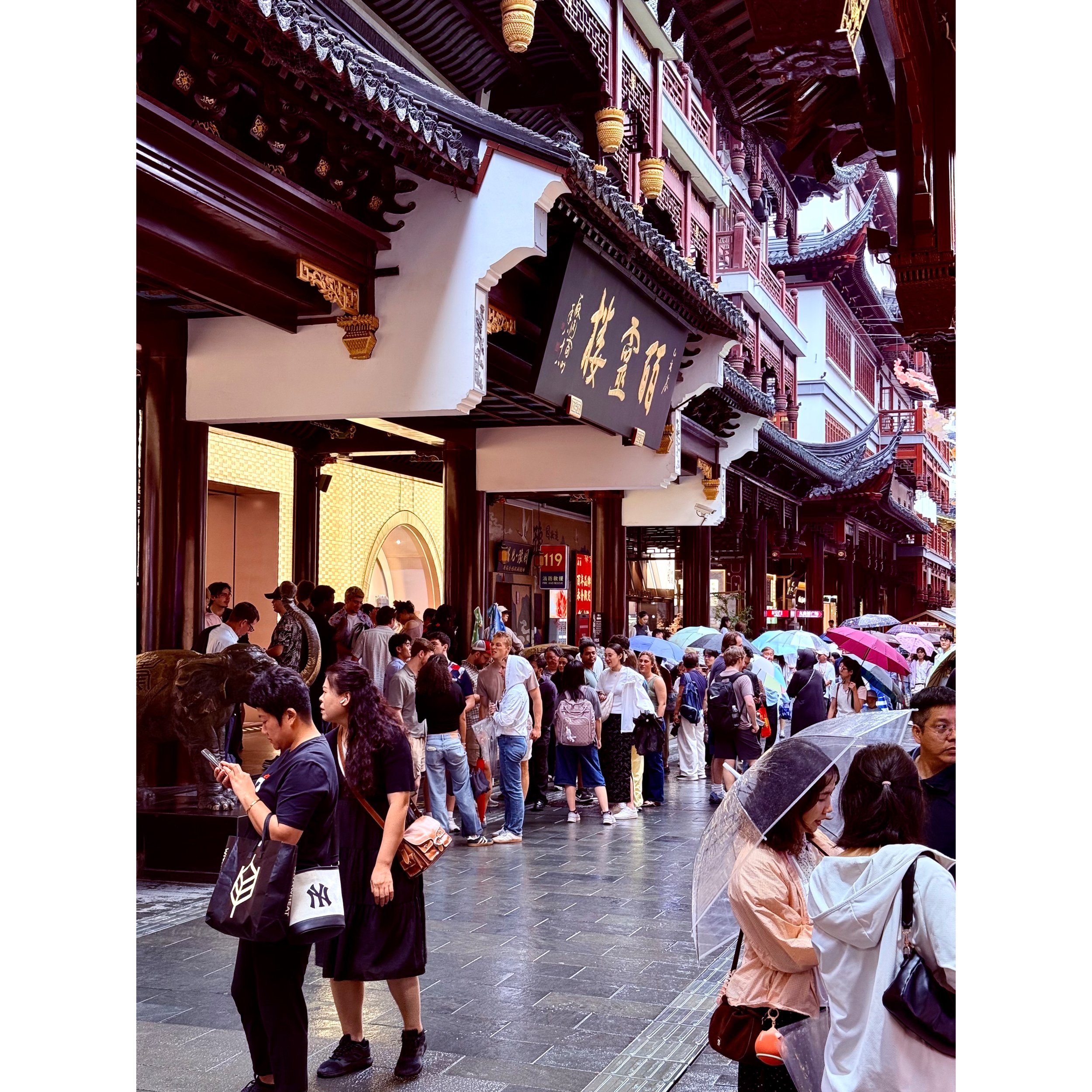
Gathering around Shanghai's vibrant buffet tables, the students began to process their new surroundings, offering remarkably sensitive observations.
“What’s immediately different here in China is the light," violinist Anthony Wu remarked. "It seems desaturated and diffuse, almost like Fujifilm.”
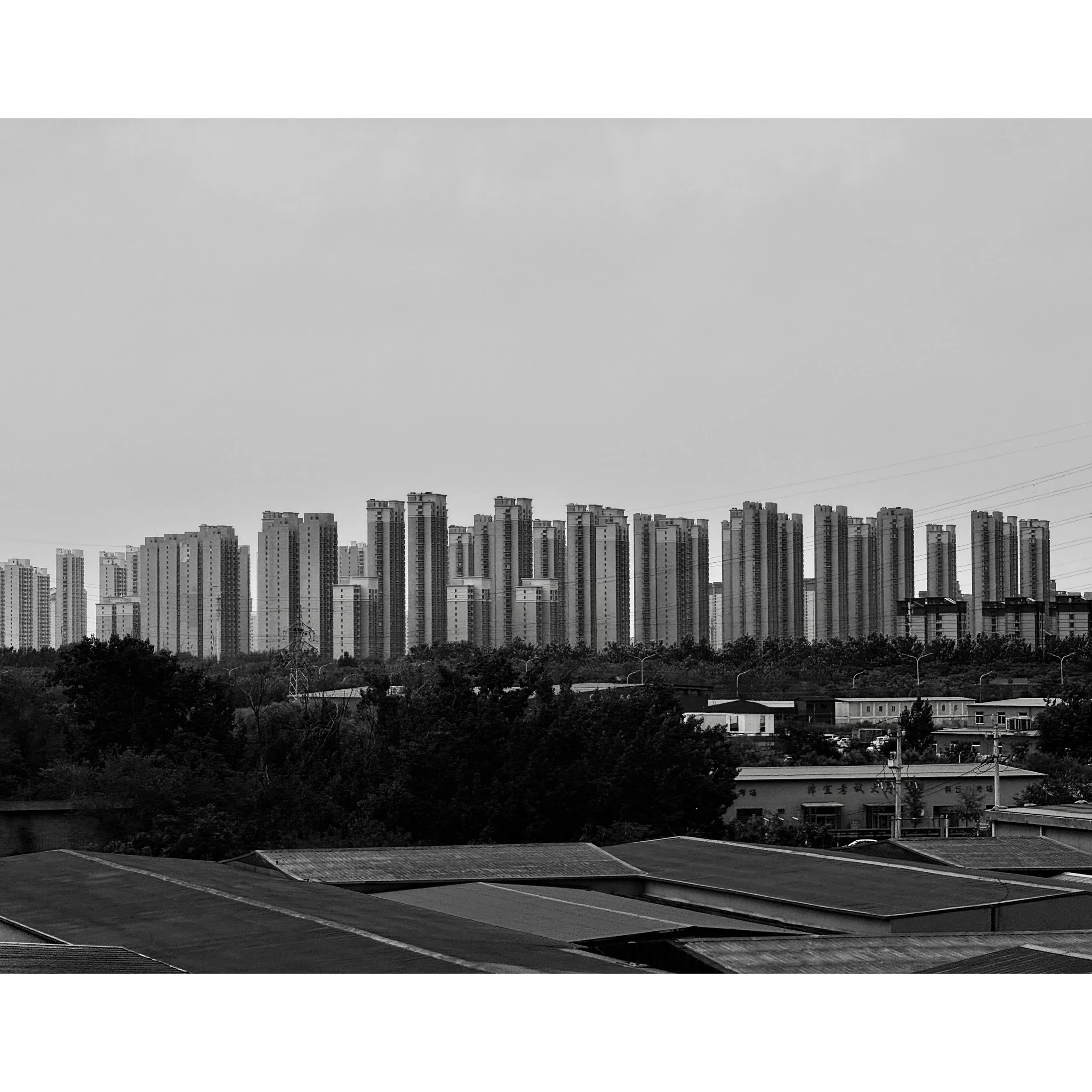
Beyond the atmosphere, others were fascinated by the architectural landscape, describing the vast, repeating rows of buildings as an almost dystopian forest of concrete.
These visual observations quickly turned philosophical, as the students contrasted the American focus on individual identity with the Chinese commitment to the collective. They left me with a poetic question: “How does this difference in mentality influence the view toward art and music? Does a physical landscape influence an artistic mindset?” I was captivated by the maturity of their query, eager to see how the music would reflect this cultural divide later on the tour.
Behind the Scenes: Chamber Music on an Orchestral Scale
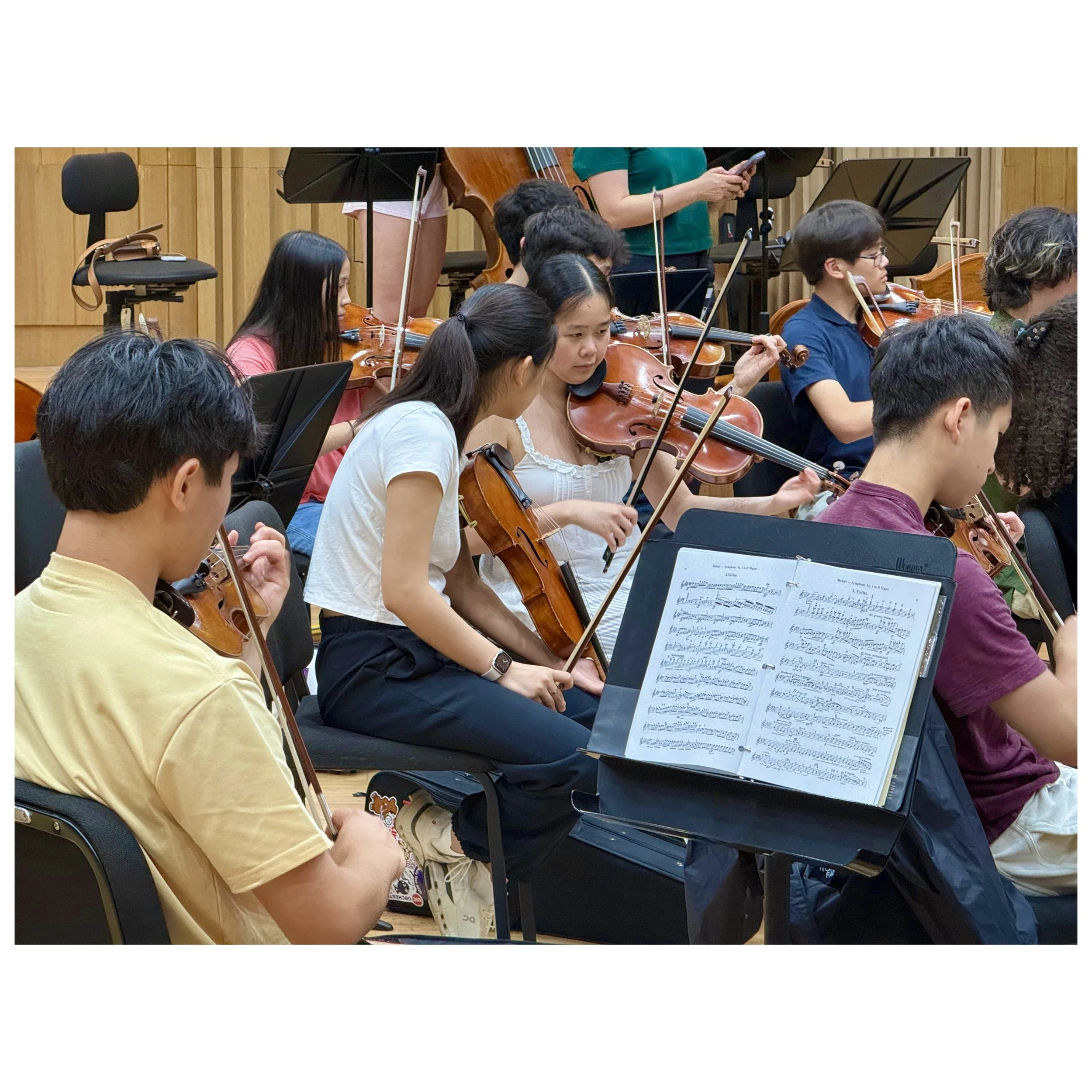
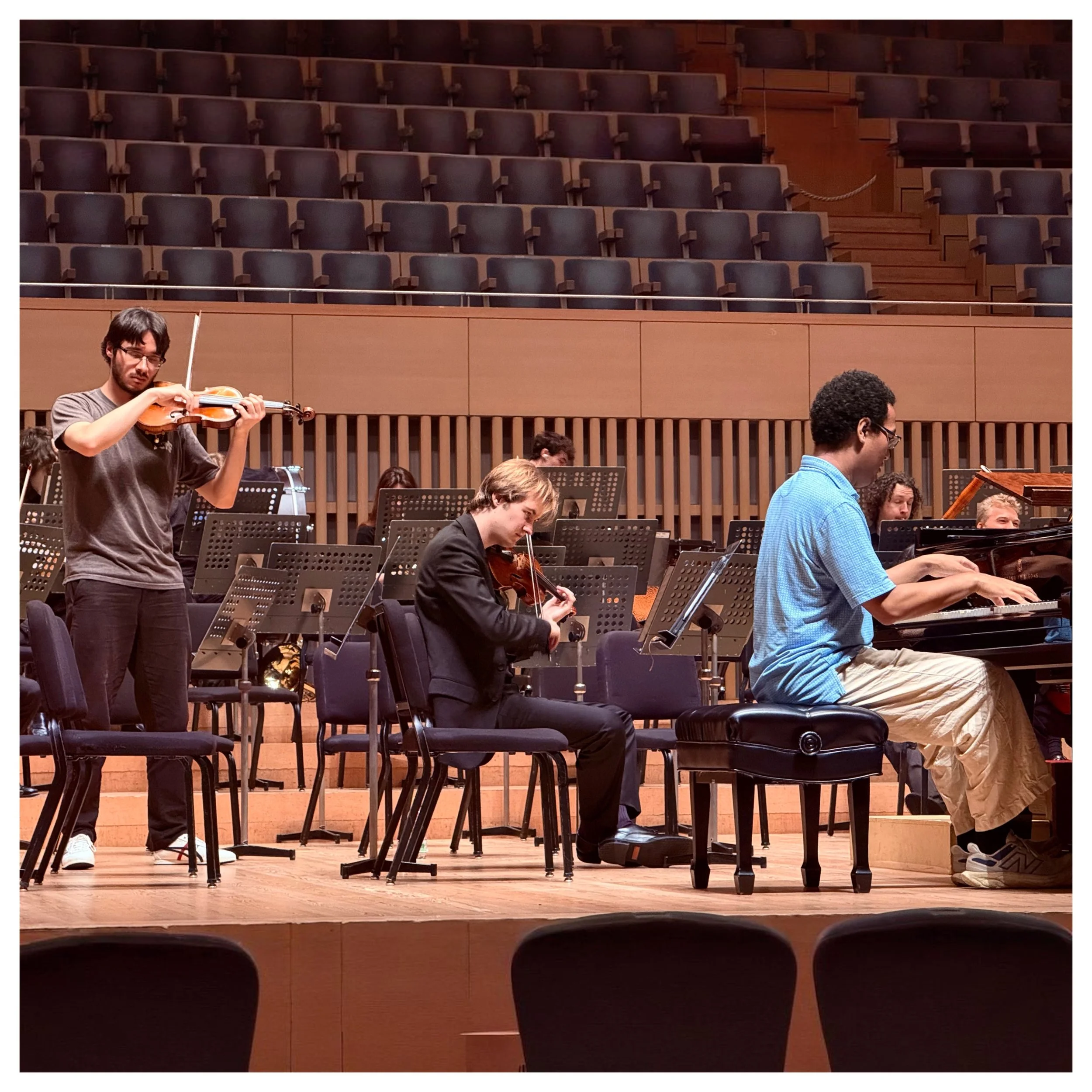
Having already prepared extensively through rehearsals in Boston before departure, the orchestra could push far beyond basic technical frameworks on the road, rising to higher artistic aims. To achieve this, Maestro Zander worked alongside former Berlin Philharmonic Concertmaster Guy Braunstein, who served as the primary guest soloist for the majority of the tour. For the concert in Kyoto, the ensemble was joined by the award-winning young pianist Clayton Stephenson.
In rehearsal, Mr. Braunstein constantly infused the sessions with advice on active listening and musical communication:
“If you cannot hear your colleagues, then you are too loud. Come explore with me and play in communication with your colleagues in another section. Don’t get lost in your own section. Connect with a player across the orchestra and see what magic happens.”
Maestro Zander echoed this sentiment, challenging the young musicians to remain agile: “I’m going to conduct in the moment as I feel the music. You have to be right there with me.”
Together, they pushed the orchestra to its expressive limits, coaxing out hushed pianissimos and metaphysically gentle pizzicati at the end of the Bruch Violin Concerto’s slow movement. “Just touch the note," Braunstein urged. "It’s not a full, active sound. Don’t worry: I will follow you.”
Passion in the Audience in Shanghai, from Tears to Fistfights
Concert 1 | June 15: Jaguar Shanghai Symphony Hall
Program: Bernstein, Bruch, and Mahler
Young musicians must endure a variety of tests on global stages to build resilience, confidence, and focus. There is no substitute for this unpredictable trial by fire.
While the opening concert was an emphatic success, it was prefaced by dramatic audience disruptions. The Jaguar Shanghai Symphony Hall places some audience members mere feet from the performers. As the orchestra began to tune, a visibly intoxicated man raised a bottle and began to catcall the stage in Chinese: “Tune faster—I’m falling asleep!”
Later, during the Mahler Symphony, an unrelated fistfight broke out between two audience members in the Dress Circle, for unknown reasons. As the nearby crowd hissed at the offenders to leave, the initial drunken man shouted to the stage: “Eyes on the conductor!”
The Chinese blogosphere immediately went viral discussing the incident; outside of the infamously vocal loggionistas at Milan’s La Scala, classical audiences are typically expected to maintain strict silence. Unswayed, the BPYO musicians poured their passion into the performance, carrying the concert to a brilliant conclusion.
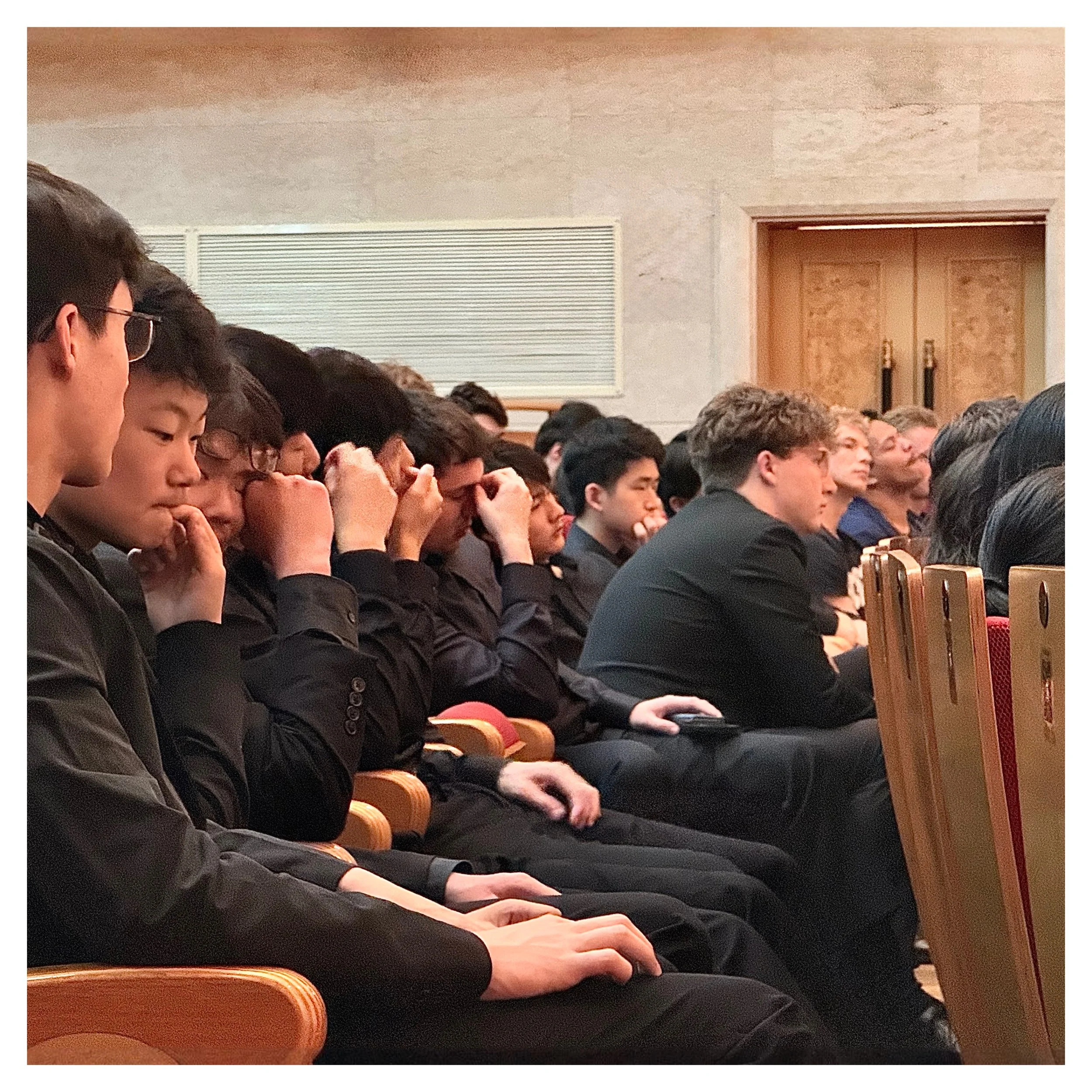
Contrasting this temporary turbulence was a striking, overarching takeaway: the vast majority of audience members in Shanghai, and subsequently throughout China and Japan, were viscerally and passionately devoted. Across both nations, the general public attends classical concerts in massive numbers, spanning all generations and receiving the musical message with heartfelt emotion. As an observer, I wish I could have captured in photos the edge-of-seat body language of those around me, who listened as though receiving universal truth or healing. I wish I could depict in words the middle-aged woman at Beijing's Forbidden City Concert Hall who raised her hand to her forehead and wept during the Mahler Symphony, shaking her head in disbelief. I wish, too, I could adequately convey how entire sections of the Tokyo audience were visibly in tears. The gratitude was pervasive, culminating when Maestro Zander shared his signature refrain, a constant leitmotif of the tour: “We have come from afar, but we belong together.” As the responding applause rang out, the cross-cultural connection was sealed.
Increased Focus in Hangzhou: Settling In
Concert 2 | June 16: Hangzhou Grand Theater Opera House
Program: Bernstein, Bruch, and Prokofiev
“Let this be an exercise in beautiful playing. I want you to make the most beautiful sounds you know how to make, and then this can become extraordinary.” -Benjamin Zander in rehearsal
The next day brought the second concert of the tour, introducing Prokofiev’s Fifth Symphony. A sprawling work fraught with wartime anxiety and hope, its virtuosic demands serve as the perfect vehicle to showcase the versatility of the BPYO. During the Bruch rehearsal, Mr. Braunstein, ever an improvisatory chameleon, ran to the back of the orchestra during the full tutti sections to join the ensemble.
"Because of the angle where I’m standing, I’m looking for individual players with whom to interact one-on-one," Braunstein explained later. "I try to do something on the spot that chamber musicians do... What you can gain from that is priceless.”
A Meeting of Philosophies Backstage
Between rehearsal and the concert, a distinguished piano teacher, Dr. Mutian Cui, and his student, Pei-Heng Jiang, arrived from Nanjing to meet Mr. Zander in his dressing room. They were among the millions globally who had watched Zander’s viral TED Talk. For them, his musical philosophy was a central influence.
In fact, Zander's international renown is so pervasive that when the Boston Philharmonic organization announced it would eventually sunset its operations at the conclusion of the upcoming 2027 season, the announcement made it into the Chinese news, claimed the visitors.
During their conversation, Dr. Cui contrasted the orchestra’s radiant optimism with the more rigid atmosphere often found in domestic music-making. “It is remarkable to find this kind of spirit," Dr. Cui explained. "The way you approach classical music—with such an active, joyful energy—deeply impresses us.”
Mr. Zander smiled, invoking one of his signature concepts:
“The ‘Shining Eyes’ we talk about represent a shared display of beauty, art, and possibility. You can always see it right there in the eyes. The alternative approach is driven by strategy, calculation, or trying to gain an advantage. But in the realm of possibility, it is pure sharing.”
The Healing Power of “Nimrod"
Following a thunderous ovation at the conclusion of the Hangzhou concert, Mr. Zander addressed the audience to introduce the tour's recurring encore: "Nimrod" from Edward Elgar’s deeply personal Enigma Variations.
“We are brought together by great music, by great art, by possibility, and by love," Zander told the crowd. "We play this piece for you with the absolute certainty that we will remain friends.”
As the music swelled, his words seemed to act as a balm. Sitting in the audience, I heard quiet sobbing from multiple people nearby, moved by the intimacy of the moment.
The scene backstage afterward was equally astonishing, with massive lines of fans waiting to greet the conductor. One young woman summarized the collective gratitude: “Thank you for your wonderful concert. Classical music is truly for everyone.”
“It is for everyone,” Mr. Zander replied warmly. “Are you a musician?”
When she replied that she was not, it only underscored the universal reach of the ensemble's mission. Nearby, fans lined up for autographs, hugs, and a chance to express what the evening meant to them.
“We are organizing a classical music society at our school,” shared a university student in line. “It is very difficult, but we need it.”
The appetite for classical music and meaningful cultural exchange was undeniably alive, framing the entire spirit of the tour.
Finding a Crucial Baseline in Beijing, and a Conservatory Exchange
Concert 3 | June 19: Forbidden City Concert Hall.
Program: Bernstein, Bruch, and Prokofiev
"BPYO will always hold a special place in my heart because this organization has changed my life entirely. I am not the same person who boarded the plane on June 11 at 1:30 a.m. at Boston Logan International Airport.” -Sam Lee, Violin, age 15
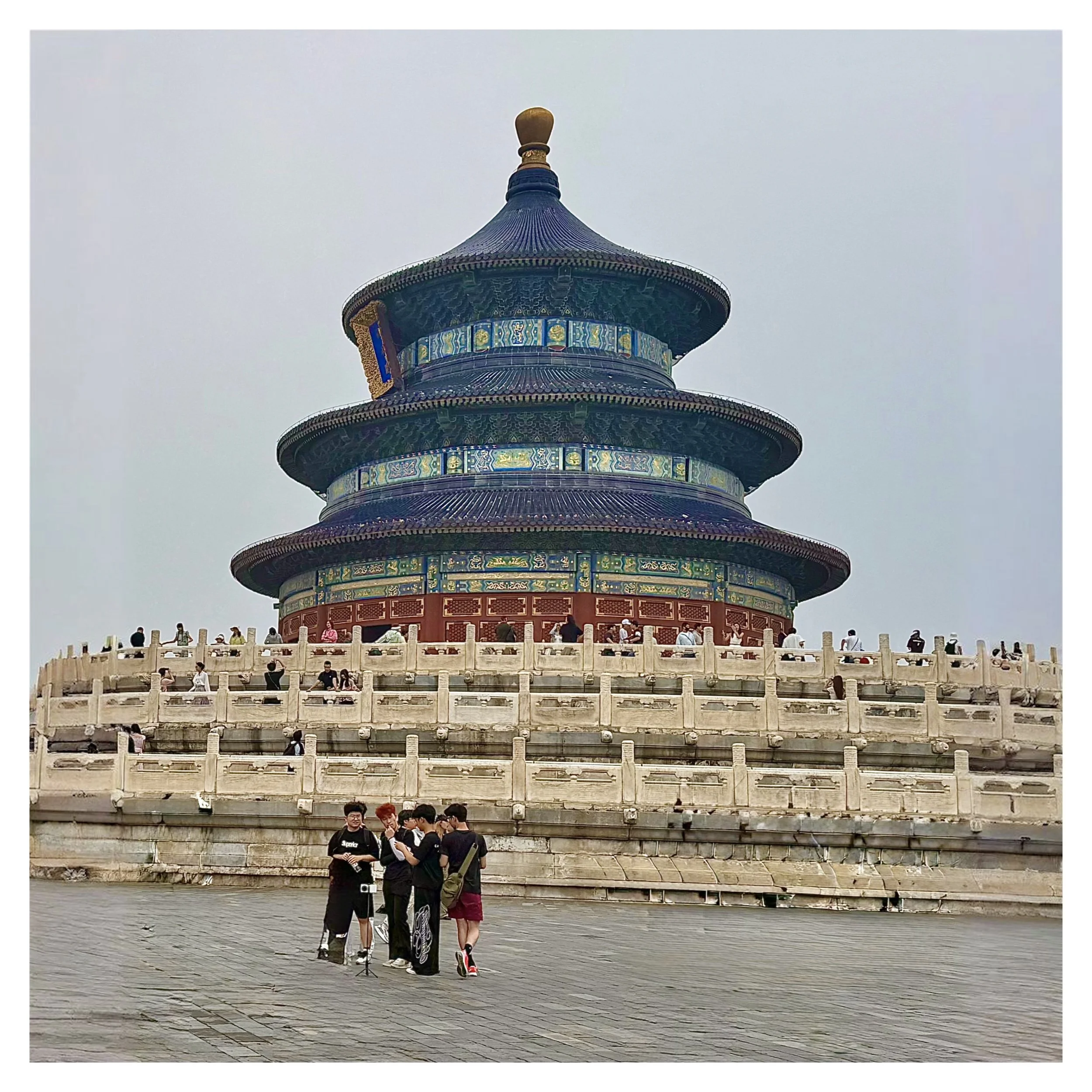
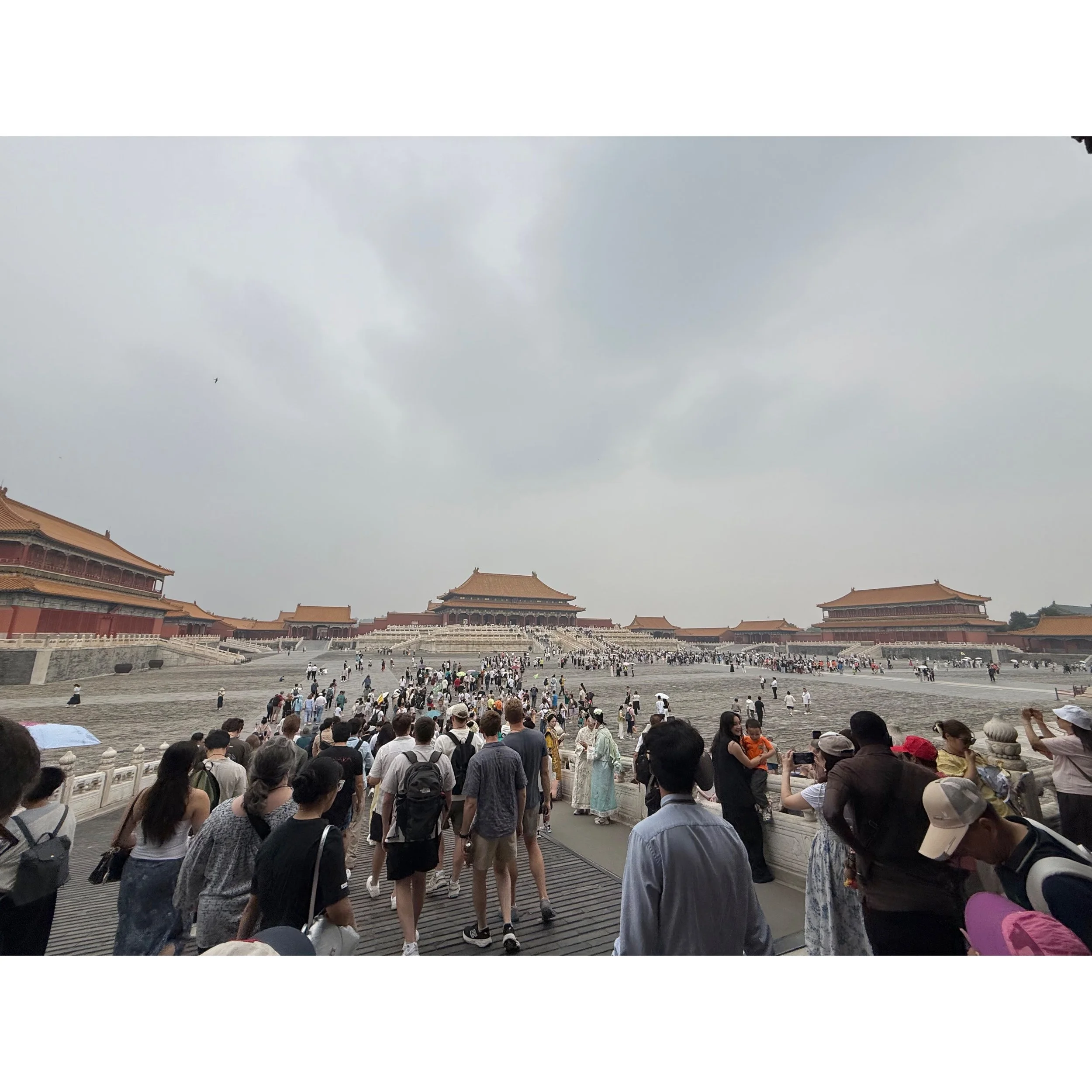
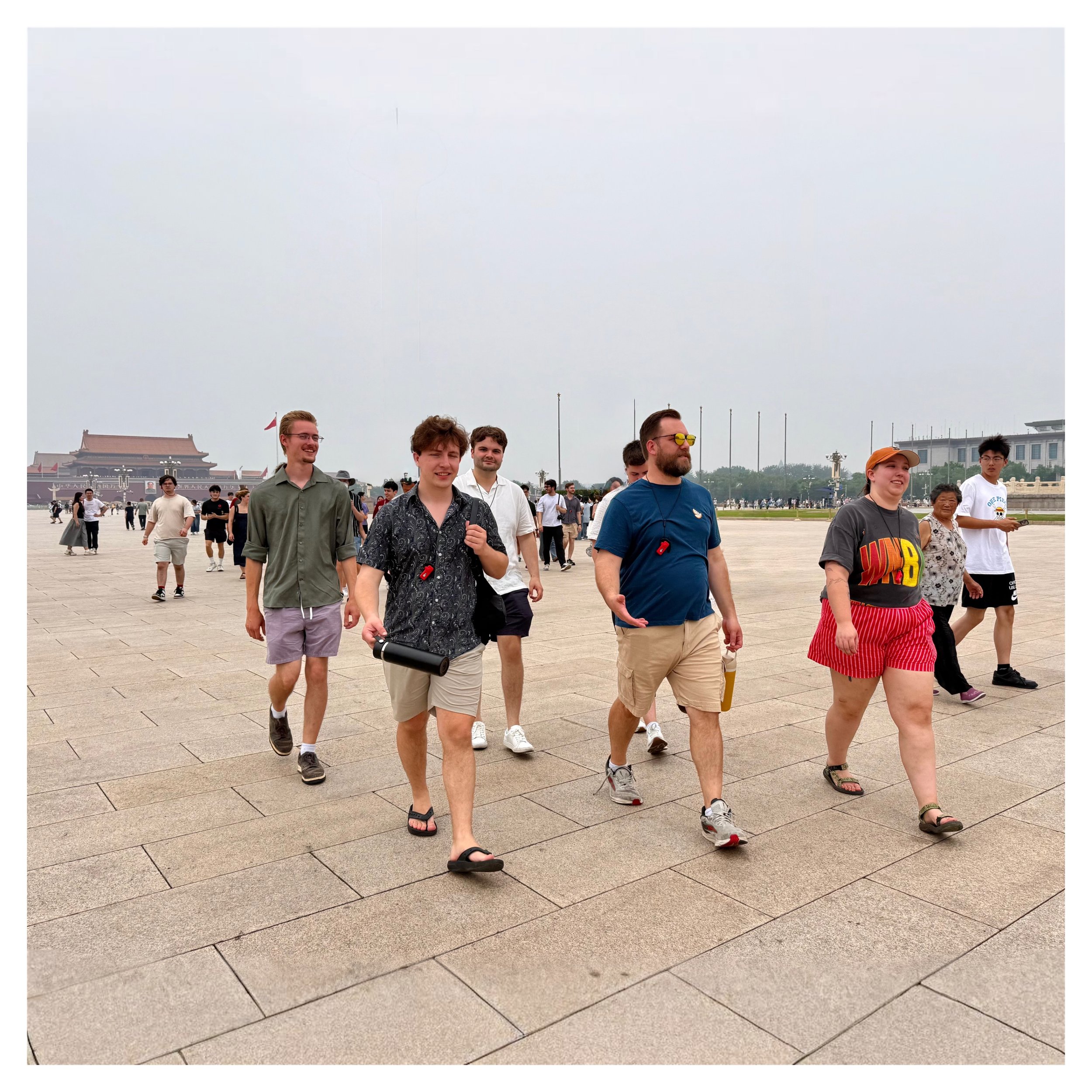
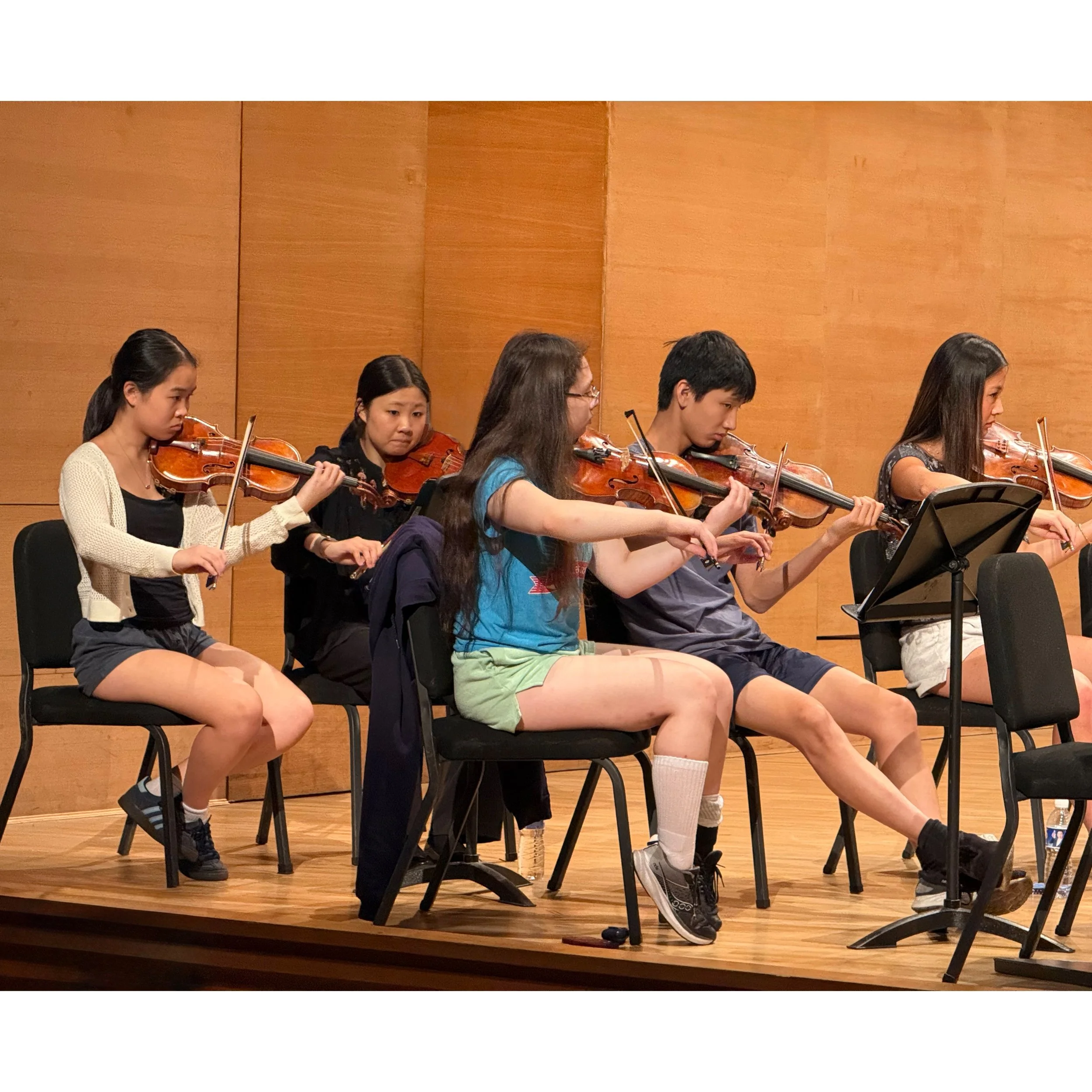
The growth that comes from playing the same program on consecutive nights is a privilege usually reserved for world-class artists with established careers. By performing consistently before an audience, musicians discover a baseline from which they can grow, learn to pace their energy, and identify specific weak points to reinforce in the practice room. Typically, achieving this level of artistic maturity requires backing from managers and presenters, occurring well after conservatory graduation—if ever. Through numerous tours, the young musicians of the BPYO have repeatedly experienced this rare opportunity, though their learning on this journey was hardly confined to the stage.
Before departing for Beijing via high-speed train, the BPYO visited the sparkling new campus of the Zhejiang Conservatory of Music. The mission was pure connection: BPYO members sat side-by-side with local students to discover their shared musical affinity. Under the baton of local conductors, the combined ensemble read and rehearsed a traditional Chinese work. Maestro Zander then took the podium, bringing his signature vitality to the workshop as he taught freedom of line, tempo, and rubato using Elgar’s “Nimrod” and Tchaikovsky’s Romeo and Juliet. Underscoring the deep roots of the exchange, one of the event organizers joyfully noted a beautiful truth: “Boston and Hangzhou are sister cities!”
Perhaps the truest measure of these young performers' future paths is their willingness to serve as public advocates for their own creative mission. On the road, students routinely engaged with strangers in transit hubs and restaurants, demystifying their work and extending open invitations to upcoming performances. To the ensemble's delight, these accidental audiences—composed of corporate executives, everyday citizens, and foreign travelers, many of whom were unfamiliar to the music—actually materialized in the concert halls. The spontaneous interactions also delighted in unusual moments outside the halls as well: while riding the high-speed train from Hangzhou to Beijing, BPYO trumpeter Maxwell Deforest chatted at length with an executive about the orchestra's tour. Impressed, the executive gifted him an entire cargo of rare, perfectly ripe waxberries.
This organic diplomacy extended to the artistic staff as well. Alfonso Piacentini, the orchestra’s assistant conductor, charmed a group of curious diners at a restaurant into attending a concert. After witnessing the sweeping emotional landscape of the Mahler program, they wrote to express their thanks in glowing terms. In these quiet moments of interpersonal connection, the musicians offered the most convincing evidence yet of their growing capacity for global leadership.
For its third concert, the orchestra triumphed in an equally spectacular setting: the colossal, high-security heart of the historic Forbidden City. Soloist Guy Braunstein showcased his characteristically brilliant versatility through a series of generous encores, shifting effortlessly from virtuosic Paganini pyrotechnics and charming Kreisler miniatures to creative Beatles covers. Against this epic historical backdrop, the raw power of Prokofiev's symphony carried a particularly staggering resonance.
A Steady Crescendo Builds in Tianjin: Overwhelming Response
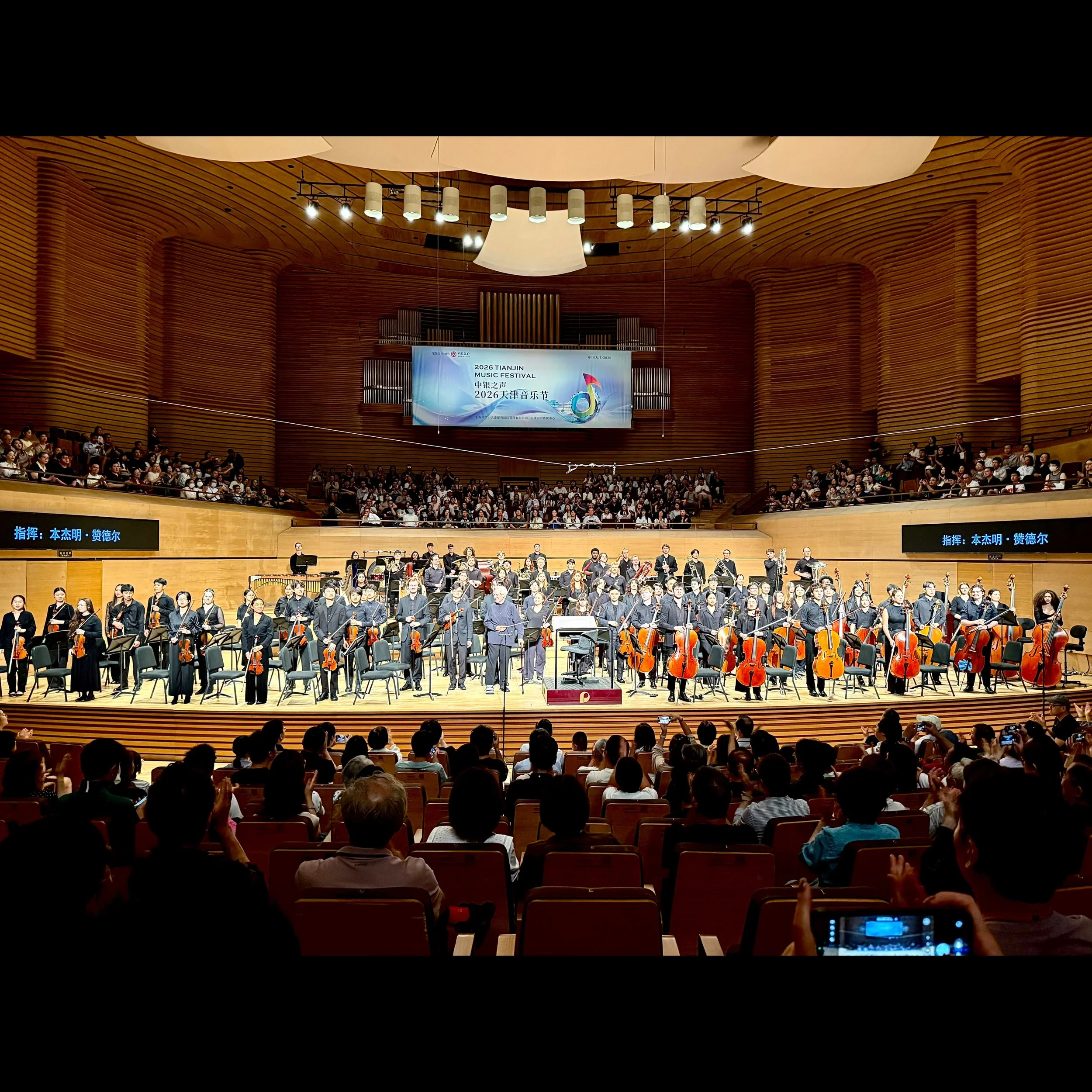
Concert 4 | June 20: Tianjin Concert Hall
Program: Bernstein, Bruch, and Mahler
“I haven’t felt this way about music since high school. The emotion, the people, the connections, the quality of the music. It’s just something I don’t experience very often—just a really special experience that I’m grateful for.”
-Leila Hudson, Harp
In Tianjin, the ensemble's collective efforts began to yield a growing artistic momentum—the inevitable distillation of consecutive nights on stage. It brought to mind Sviatoslav Richter’s famous observation that rigorous work eventually causes the water to boil. Richter further mirrored Maestro Zander's philosophy on human presence and availability when he asserted that participation, rather than raw talent, is everything.
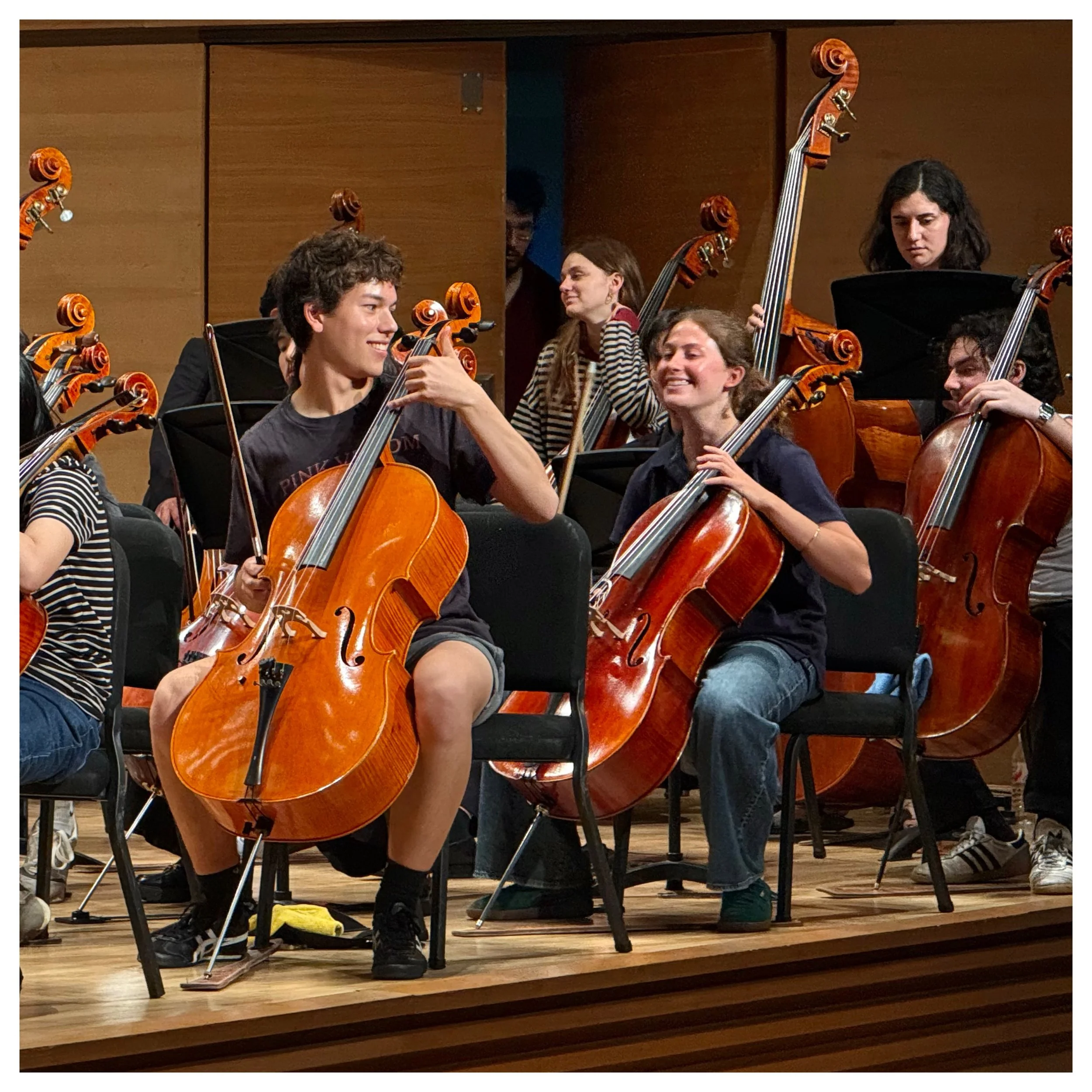
Within the BPYO, this philosophy manifested as a rich, multi-generational ecosystem where seasoned players guided their younger colleagues, an artistic dialogue amplified by the veteran insights of Guy Braunstein and Maestro Zander. The rapid evolution from one concert to the next was particularly palpable backstage. There, in moments of quieter reflection, the triumphant faces of the young musicians spoke volumes.
This intense emotional energy quickly swept through the concert halls. Fueled by the orchestra's all-out performances and Maestro Zander’s thematic words of friendship, the audiences were visibly electrified. This cross-cultural connection—where crowds erupted into roof-raising ovations—is captured vividly in the companion video travelogue embedded at the end of this article.
Backstage, Maestro Zander declared to me, nearly in a daze of amazement from having given his all: “I can’t do any better than that. I’m sorry—I can’t do any better than that.
Japan: A New Setting — a Similarly Ecstatic Response
Concert 5 | June 23: Kyoto Concert Hall
Program: Bernstein, Gershwin, and Prokofiev
“Being able to collaborate with others on this tour has not only helped me as a musician, but as a person.” -Clara Min, Cello
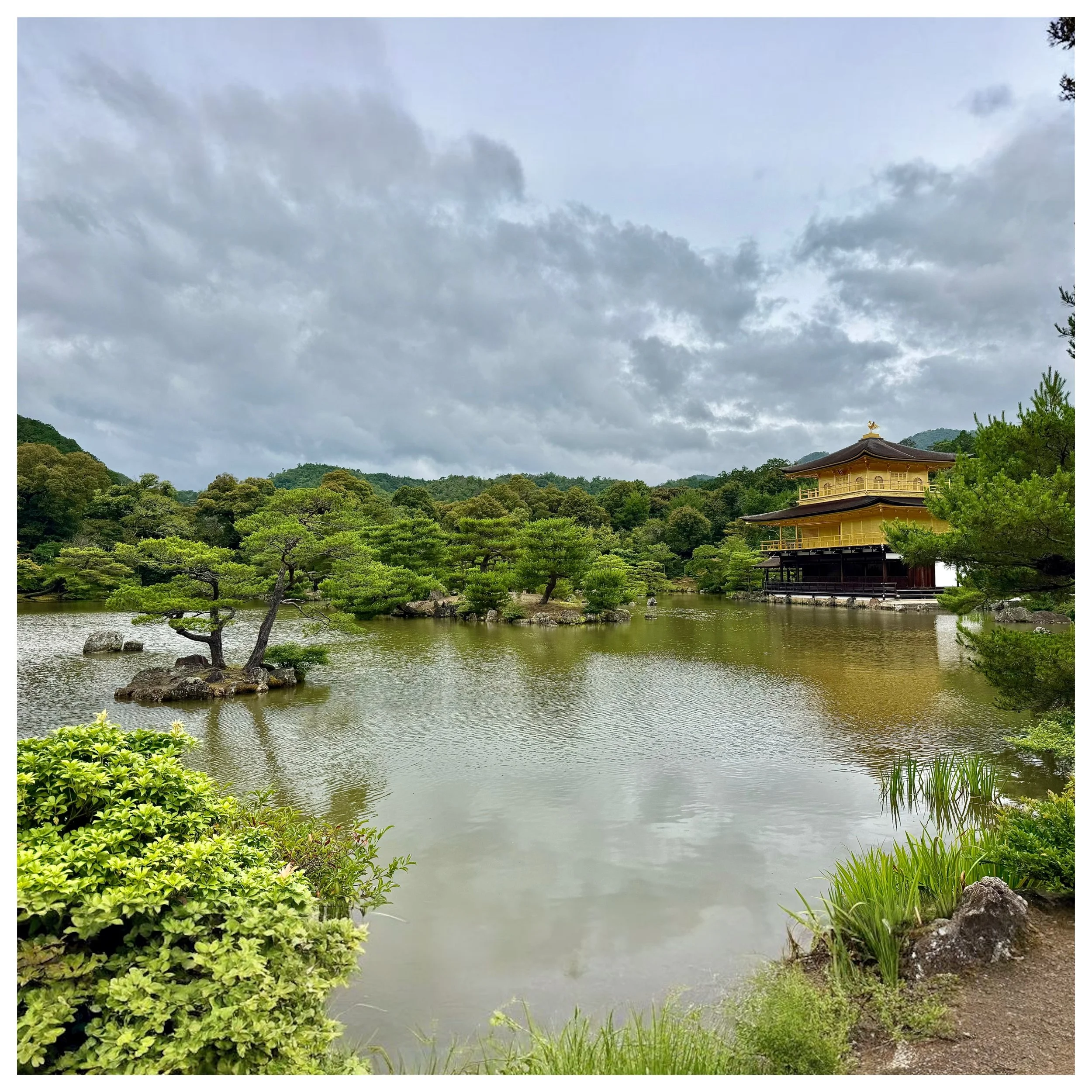
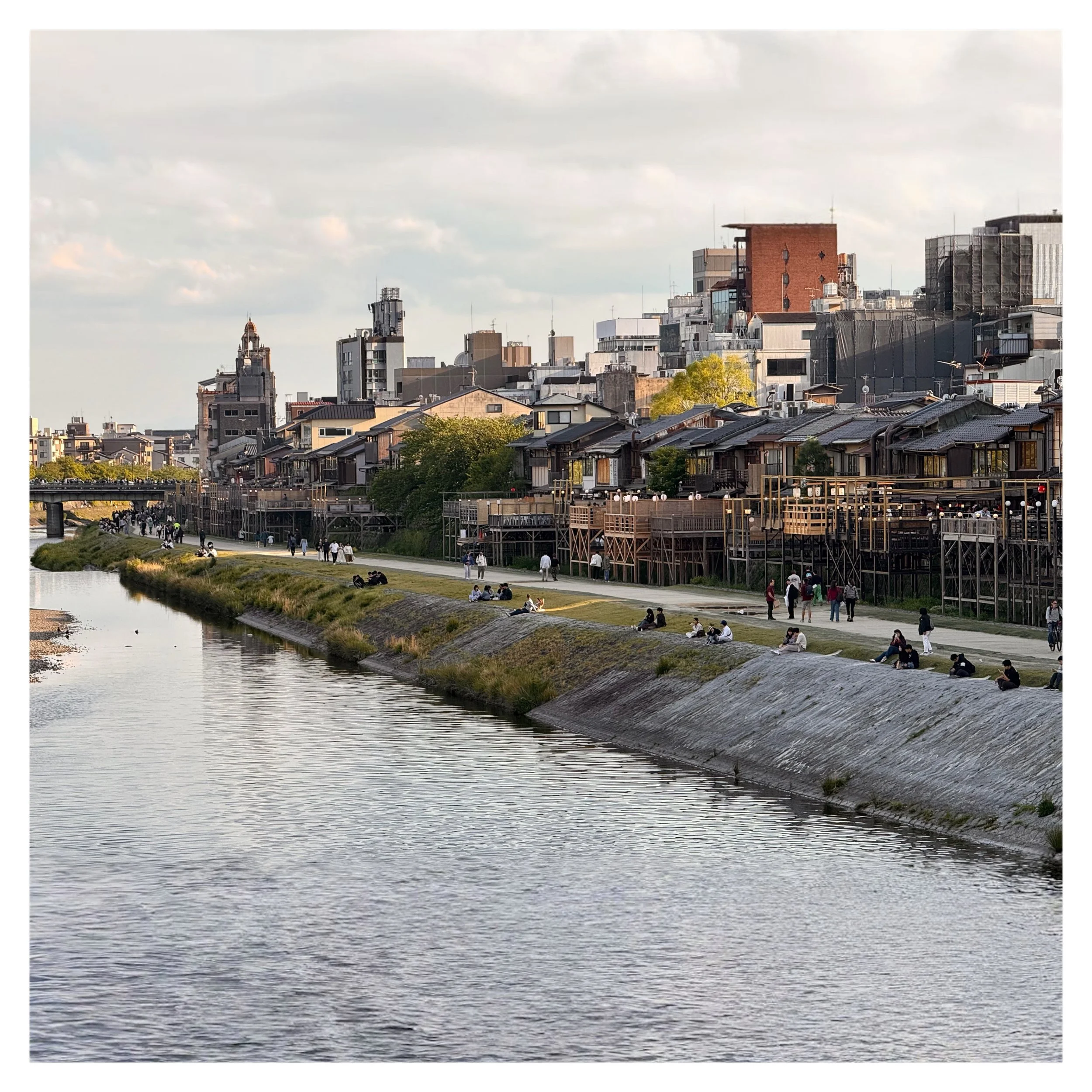
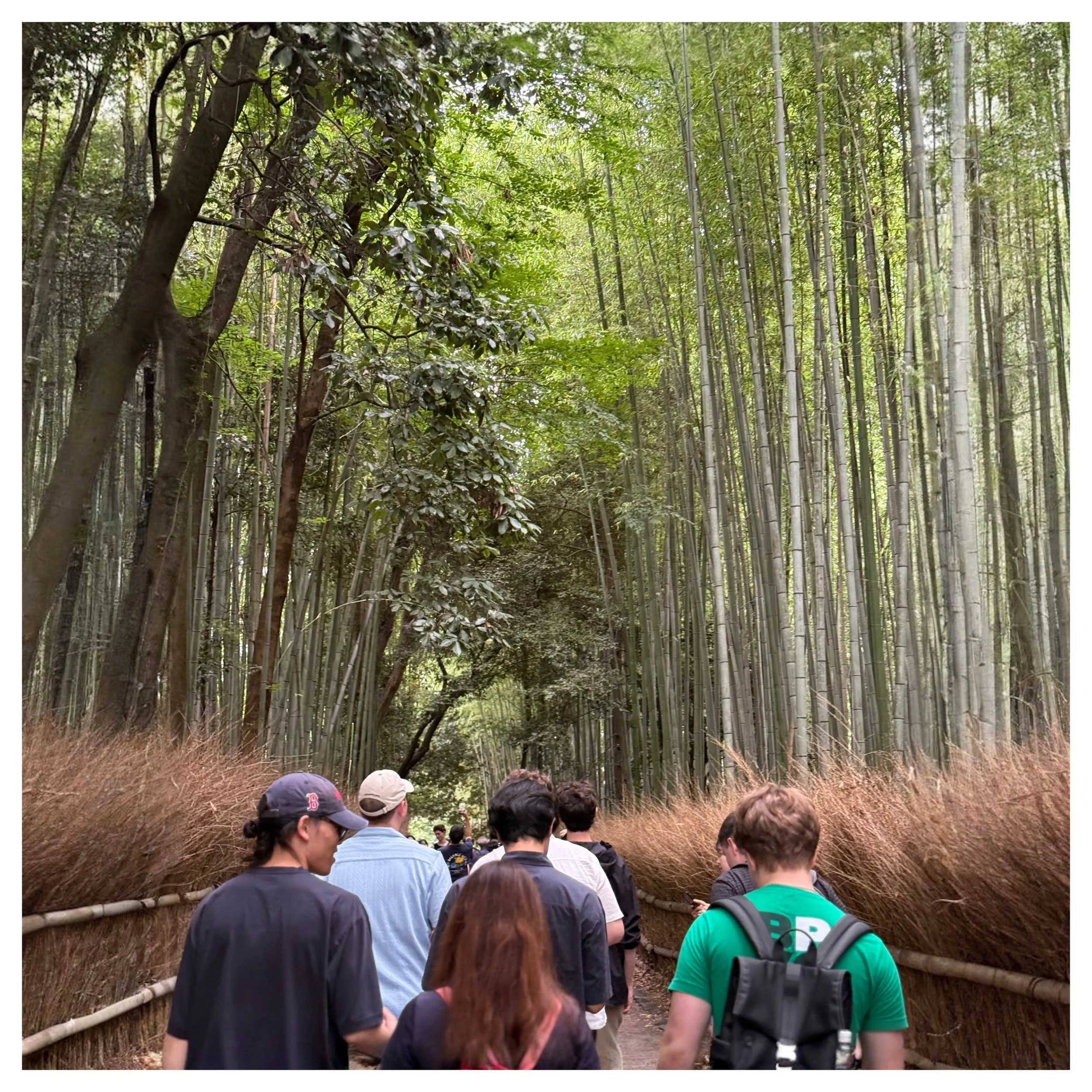
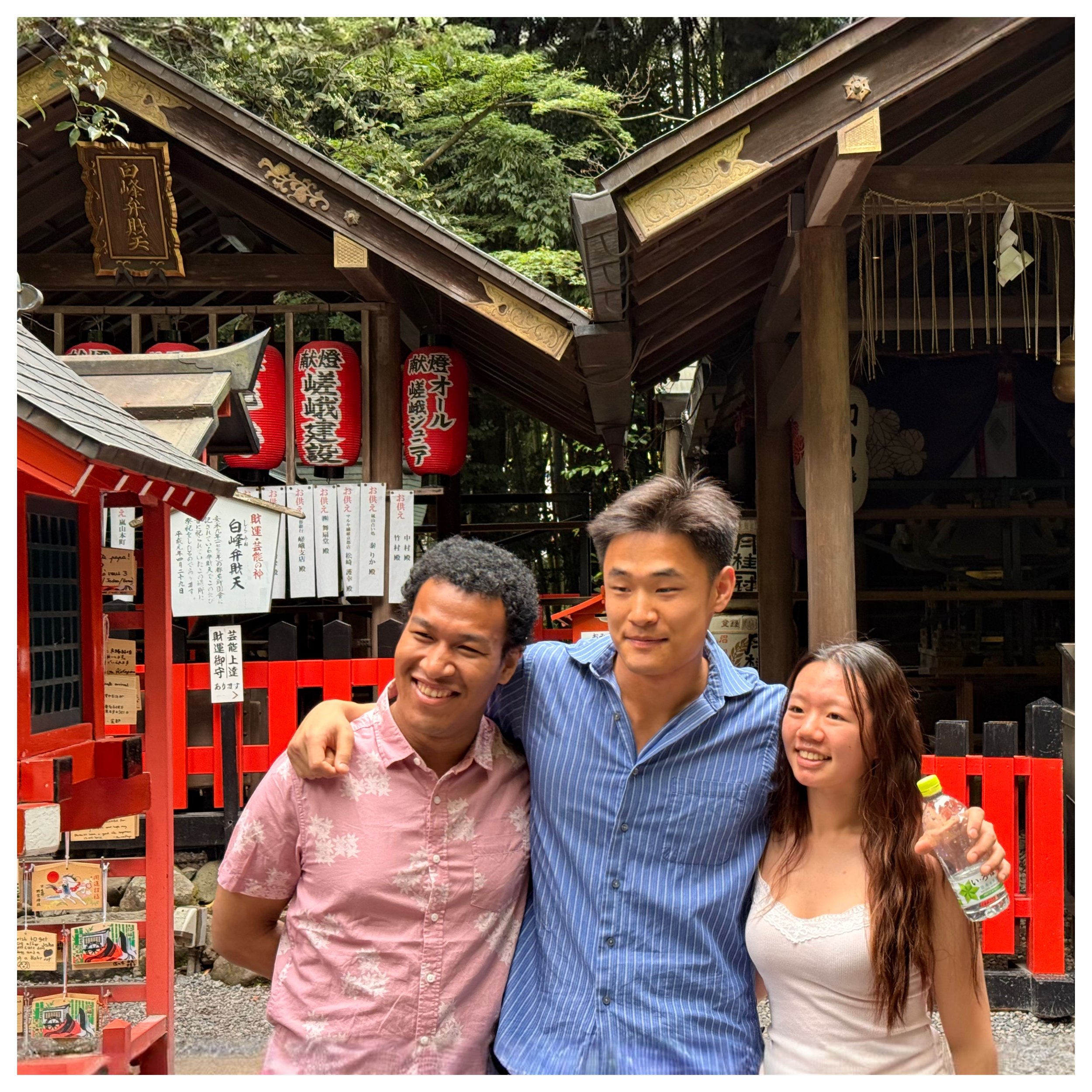
After early flights from China, our arrival in Kyoto brought a welcome change of pace, offering a more relaxed rehearsal schedule and precious free time for exploration. From wandering through ancient temples and the Arashiyama Bamboo Forest to enjoying traditional tempura meals, Kyoto felt visually and culturally a world away. Despite the sizable crowds of tourists, the city remained imbued with a sense of quietude and calm.
Just as I had done in China, I invited the students to share their initial observations of Japan shortly after we arrived at the Miyako Hotel Kyoto—an establishment that surely delighted everyone on the tour. A definitive theme quickly emerged from their feedback: an admiration for Japan's meticulous attention to detail, pervasive elegance, and total and selfless devotion to one's craft. Soon, a chorus of superlatives took over the conversations. The young musicians enthusiastically declared everything they encountered to be the "best" they had ever experienced: the best dumplings, the best food, the best coffee, and the best hotel stay of their lives.
Musically, the repertoire shifted as well with the arrival of pianist Clayton Stephenson as guest soloist for Gershwin’s Rhapsody in Blue. Already a familiar face to many in the orchestra, Clayton infused the tour with immediate joy and camaraderie. In concert, his dazzling encores included fearsomely difficult jazz arrangements by Art Tatum and Bill Evans, which he deployed with prodigious ease. Night after night, the ovations grew more passionate. In Japan, where audiences are historically deeply appreciative yet comparatively reserved, the enthusiastically vocal ovations simply refused to end.
A Shattering Climax: Tokyo
Concert 6 | June 25: Tokyo Metropolitan Theater
Program: Bernstein, Bruch, and Mahler
“That concert was, without a doubt, the most thrilling, electrifying, and breathtaking concert that I have experienced throughout my entire life as a musician, and I’m sure that every single audience member in that concert hall felt the same way.” -Sam Lee, Violin
“Each performance was better than the last. That shows you the good guidance and the orchestra musicians, and that their hearts and minds are in the right place.” -Guy Braunstein, Guest Soloist
The sheer impact of this final concert defies easy description; the majority of the audience, myself included, was reduced to tears. The message of the music, the orchestra's staggering dynamic power, the raw passion of the young players, and the collective weight of the shared experience converged into an unforgettable moment. As the orchestra and conductor stood to wave their final farewells, an unspoken realization rippled through the hall: this goodbye operated on multiple, poignant levels.
Transformative Takeaways
Back home in the United States, driving through the Virginia countryside in a daze of post-tour jet lag, I found myself revisiting recordings of the BPYO tour repertoire, chasing the lingering energy of that Asian whirlwind. I put on longtime favorite recordings and established benchmarks, but they unexpectedly paled in comparison to the raw passion of these young musicians and their leader.
Rafael Kubelik’s legendary, patrician elegance in Mahler’s First Symphony suddenly felt square and metric compared to the improvisatory lilt and affecting pathos generated by these students. Similarly, Mariss Jansons’ otherwise majestic account of Prokofiev’s Fifth Symphony felt emotionally detached by comparison, despite incredibly experienced playing. How is that possible?
The answer lies in the potent, singular synergy that only this specific journey could forge from city to city. This kind of alchemy cannot be captured in a studio; it must be experienced in person. The passion, spirit, love, and leadership on display ignited something lasting within everyone who witnessed it. Both on and off the stage, these young musicians proved that they are ready to carry their message forward as the world's next generation of leaders.
Finally, a note on Benjamin Zander, whose energy and charisma occupy a rarefied category at his veteran stage of life. Much like the legendary pianist Martha Argerich, who also seemingly defies the laws of physics and aging, Mr. Zander emerges from each concert looking at least a decade younger than when he first raised his baton. It is a familiar truth to musicians that a shared artistic mission can empower the spirit in metaphysical ways. On stage, his presence represents a crystallization of all the energy he has devoted across decades to connecting with audiences, illuminating masterpieces, and guiding young minds. His physical athleticism and interpretive freedom reveal a seasoned leader at the continued height of his powers. Make no mistake: his legacy is already ensured through his vast archive of teachings, videos, and writings, and in the countless lives he has touched. But he still undeniably commands the podium, steering this vital mission and orchestra. Europe awaits them in 2027, and the anticipation could not be any stronger.
Conclusion: The Verdict on The Tour of Possibility
White Sheets, Edited for Length
“This Asia tour was such a transformative experience for me. Joining the tour and being able to play in the most beautiful halls in the world seems like only something I could daydream about. Being able to collaborate with others on this tour has not only helped me as a musician, but as a person. This tour is very important to us all, especially today where countries have so much political polarization, cultural divides, and social fractures.
In my eyes, BPYO is a sublime orchestra that begins to repair the cracks of humanity that the past generation has created, and help enhance future leaders to build a more humanitarian and beautiful globe.”
-Clara Min, Cello, age 12
“Why do we do what we do—making music with strangers across the world and performing in concert halls we had only ever dreamed of? Why undertake the staggering logistics of moving more than 120 musicians through countries our organization has never once set foot in: the sightseeing, the exchanges, the accommodations, the endless unseen labor? Why shoulder the immense financial weight of an undertaking such as this, travelling more than 10,000 kilometres from everything familiar? I believe I’ve finally found my answer.
Our last day of the tour was one of the most exciting yet bittersweet days I’ve ever lived through. Our final concert at the Tokyo Metropolitan Theatre was, without a doubt, the most thrilling, electrifying, and breathtaking performance of my life as a musician, and I’m sure every single audience member felt the same way. It was one of the few opportunities where I was able to give every ounce of power, spirit, energy, and hope into the music, unlike ever before.
One audience member particularly stood out to me. A middle-aged Japanese lady sitting in the very front row, right in the middle, was the first person I saw after we finished our Mahler and stood up. Tears streamed down her face, her eyes red, conveying an overwhelming gratitude for us being there.
Thank you for creating a space where gifted musicians can work on some of the greatest pieces in classical music. Thank you for urging us to step outside our comfort zone to connect with individuals in the orchestra we may not have spoken with. Thank you for opening our eyes, ears, and hearts to a vision of music that none of us could ever have reached alone.
BPYO will always hold a special place in my heart because this organization has changed my life entirely. I am not the same person who boarded the plane on June 11 at 1:30 a.m. at Boston Logan International Airport. I have learned what it means to be a contribution and a contributor rather than merely a performer. I have seen what becomes possible when an entire orchestra goes against the ordinary and reaches for something luminous instead—something no audience ever expected from a youth orchestra. The BPYO will live in my heart for as long as it beats.”
-Sam Lee, Violin, Age 15
“Dear Mr. Zander, Shortly before we went on stage to play the Mahler at our last concert, you mentioned that it was your last time performing the piece, and that this was how you were going to conduct it. On stage, I had a little more time to reflect on your words. For many of us, this was our very first time playing Mahler’s First Symphony. In the past seven months, we have studied this music using the insights and understanding you developed over a lifetime. The BPYO rehearsals and concerts have instilled in us a musical foundation upon which we will base all our future interpretations. And so, in that sense, you might have performed this piece for the last time, but your ideas will continue to live within each of us, returning to the stage in countless different forms. I am incredibly grateful to have had this opportunity and will never forget how lucky I am.”
-Hans Christian Dinter, Percussion
“I remember thinking to myself on my first day playing with BPYO that being part of this orchestra would change my life. Three years later, travelling to Asia was not only life-altering in itself, but it represented every experience I’ve shared with this orchestra. Through tears and laughs, this tour affirmed that our orchestra is not just a group of musicians—it is truly a big family.”
-Sadie Goodman, Flute
This was my first season with the orchestra. I was nervous and a bit timid at first because of the new environment. Members of the orchestra and the staff made me feel very welcome, which made weekly rehearsals a place to focus and improve on my craft in a nurturing environment.
During this tour, I’ve realized how much I’ve grown as a violist and an orchestra member. It’s difficult to put into words the feeling of being on stage after playing a great program. The overwhelming feeling of joy and appreciation in the room is palpable. Seeing the audience's reaction was definitely my favorite part of the tour.
-Jean-Caleb Belizaire
“From this diverse ensemble to international audiences, this experience is so special that I will relive and remember it for the rest of my life. Especially in this political climate, traveling to China was an honor. It was my first time there, and I was able to experience the reality of the country firsthand. I think every musician on this trip came home with a fuller, more honest picture of the place we visited, and that matters just as much as the music we played.
During my time in the BPYO, I have been honored to contribute to this community. Thank you for building something this meaningful and for giving so many young musicians, myself included, the chance to be a part of it.”
-Maya McCabe, Violin
"While on tour, I fell in love with playing in an orchestra again. I remembered everything that I had been struggling to see for the past half of the year: the engagement of the orchestra playing together every night, the enthusiasm of the audiences, and, above all, the leadership and inspiration set forth by you.
There will never truly be another organization like BPYO, but it is now my life's mission to take the lessons and experiences that I have learned in this orchestra and implement them in every person and organization I come across.”
-Max Reed, Clarinet
“Being able to experience this tour was nothing short of incredible. Almost exactly a year ago, Liana, the principal bassist, and I performed Mahler 1 together with our youth orchestra from our hometown of New York City. To have been able to play such a well-written symphony that I hold so close to my heart, with some of my closest friends and Maestro Zander in two different countries and in multiple cities, all with such long histories, is an experience that I will value for the rest of my life.”
Felicity Zhao, French Horn
“This beautiful journey to China and Japan was my first ever tour. And although I am incapable of comparing it to another, I can conclude that it was the most exciting and brilliant tour in human history. Every. Single. Concert. Was. Absolutely. Spectacular.
The concert halls were beautiful and massive. Every seat in the audience was filled with eyes that sparkled with excitement, eager for the music to begin. This is truly where I find my belonging. I had never witnessed an orchestra and its audience become so profoundly united, connected not by words, but by the raw power of a single shared experience. It was absolutely stunning.
Society today is visibly divided by race, ethnicity, age, political views, and countless other factors. However, my stay in China and Japan showed me that we are all human, all neighbors, striving for the same desires. It was beautiful, and something I will never forget.
Being a part of this orchestra has been the greatest blessing and gift, and I will never be able to fully express my appreciation.”
-Arlene Kim, Cello
Going to China and Japan was such a gift. It is something I know I will remember for the rest of my life. All of my personal favorite moments are related to performing for and meeting the Chinese and Japanese people. One example of many is I remember in Tokyo there was a little Japanese boy with a Boston hat in the front row. While we were warming up he was watching me so I waved, signaled to his hat, and gave him a thumbs up. He started BEAMING. The whole concert he sat there listening so intently. Afterwards he was waving at me and jumping up and down. It was very sweet. Those are the moments we live for, you know?
Serving the orchestra for the past two years has been one of the greatest privileges of my musical education. The joy, excitement, and positive outlook on the world that we represent not just through music but through our very beings is something incredibly unique to BPYO. I remember when I joined BPYO I had heard about this attitude but I did not expect it to be nearly as self evidently vibrant and beautiful as it has been. BPYO was something that I literally savored every week. I found it to be so rewarding to build a relationship with not just the violin section but with the whole orchestra. I found you to be a kindred spirit in the way you treat music and life to me. You are a real life version of an image in my head I had growing up of the kind of man I want to become. I feel so lucky to have had this experience and I am beyond excited to take the art of possibility into new places and spread this wonderful exciting approach to music and life.
I would like to share a few of my favorite memories from these two years. The first thing I think about when I think of BPYO are two moments in concerts during my first year. One was the climax of the slow movement of Rachmaninoff's 2nd symphony, and the other is the climax of the slow movement of Mahler 6. Both of these moments were in the beautiful Symphony Hall. My friend filmed us with his phone from the side balcony. Every time I watch these clips I tear up. It is so so so SO beautiful to watch the BPYO violins play our hearts out. I can't think of ANY other place where a group of mostly high schoolers all reach together for something higher than themselves. I know it sounds a bit artsy and cheesy but the best I can describe it is briefly kissing the gates to heaven.
One more favorite piece of BPYO of course is working with you. I love making music with you. I don't think people realize how much of your life and your soul you put into this orchestra. I do. It is really incredible. I don't understand how on earth you do it. But I understand why. Music really is such an important part of our world as human beings, and it has an incredible power to change the way we think or even just simply help people. Sometimes when I'm watching you while we play I imagine all the sleepless nights you've most certainly had preparing us for THIS moment and it puts a little gasoline on the fire in my bones.
There are too many good things to say about BPYO. Thank you from the very bottom of my heart for these two years. I am so sincerely grateful for the care and love that I felt being a part of this. Thank you thank you thank you.
Much love,
Clark Snavely
* * *
About the Author
Zsolt Bognár is an American pianist, film producer, and media personality. He studied with Roger Shields in Champaign Illinois, with Benjamin and Patricia Zander in Boston, and with Sergei Babayan and Paul Schenly in Cleveland. He is host and producer of Living the Creative Life, originally Living the Classical Life, which has produced over 250 episodes to date, and has been featured in The New Yorker magazine, The New York Times, and Washington Post.